- EXHiBiTiON DATES
- VENUE
- PARTiCiPATiNG ARTiSTS
SONGEUN is pleased to present SONGEUN × Unboxing Project: Generative Forms, a large-scale group exhibition bringing together 179 artists and collectives who have received awards or been shortlisted for the SONGEUN Art Award since its establishment. On view from August 19 to October 10, 2026, the exhibition marks the twenty-fifth anniversary of the Award. Established in 2001 by Chairman Yoo Sang-deok in honor of the legacy of the late Yoo Sung-yeon (pen name: SongEun, 1917–1999), founder of the SONGEUN Art and Cultural Foundation, the Award has played a significant role in supporting emerging artists and contributing to a more diverse and evolving landscape of contemporary art in Korea. Generative Forms revisits this history not as a retrospective survey but as a living constellation of practices that have developed alongside the Award over the past twenty-five years.
To bring such a wide range of artistic positions into dialogue, the exhibition is organized in collaboration with the Unboxing Project (UBP). Founded in 2022, UBP has enacted a curatorial model that commissions new works through a shared framework—defined by a given theme and delivered in a box. Rather than functioning as a limitation, the constrained format operates as a catalyst, highlighting individual artistic practices while revealing how a common premise can be reconfigured across divergent conceptual and material approaches.
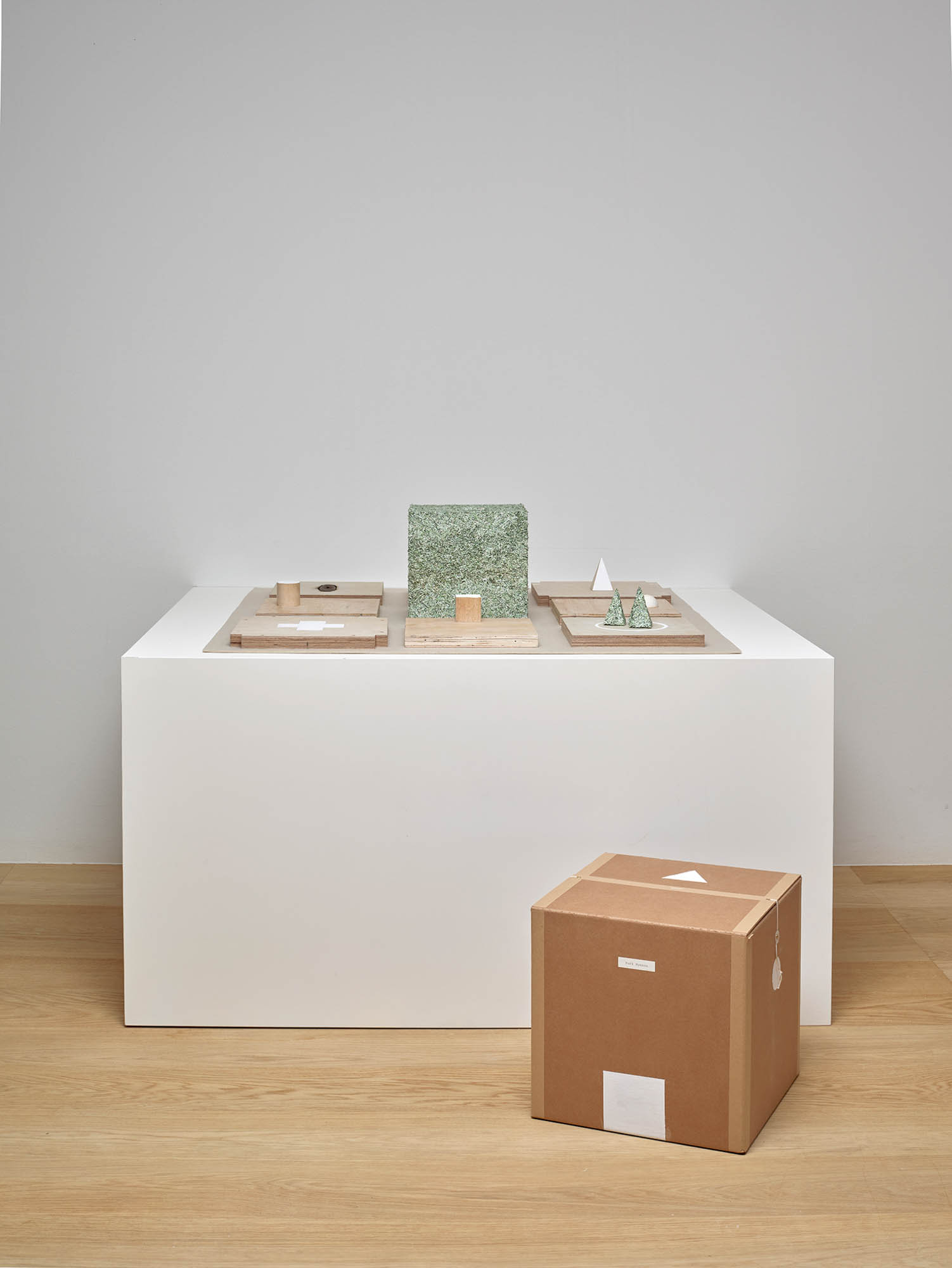
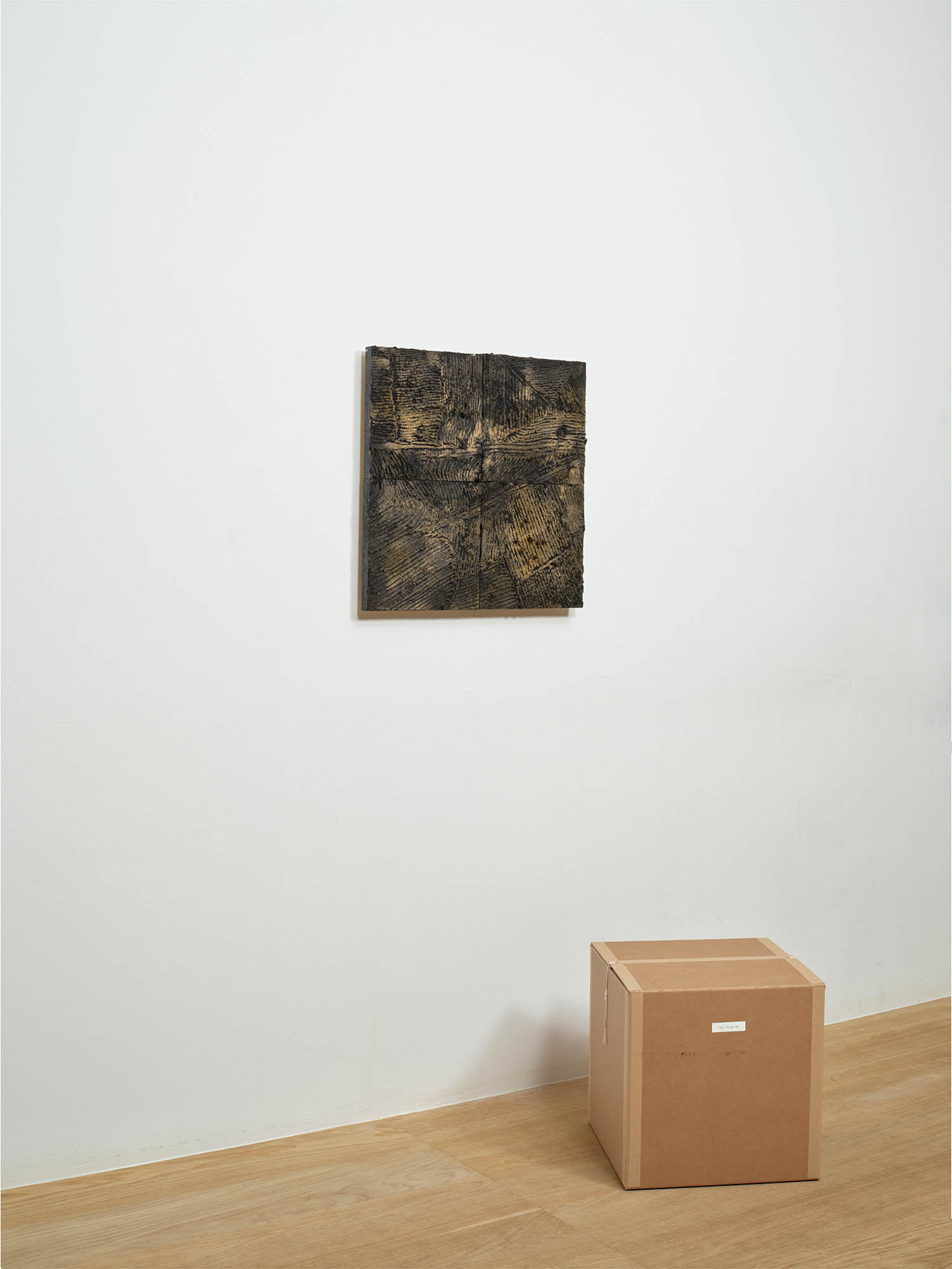
For SONGEUN × Unboxing Project: Generative Forms, each participating artist received a conceptual prompt—the word “generative,” drawn from the exhibition title—together with a physical one: a box containing four plywood panels measuring 25 × 25 cm, a format chosen to mark the Award’s twenty-fifth anniversary. From these givens, each artist was commissioned to produce a new work. The notion of the “generative” evokes a present in which artificial intelligence (AI) has become part of everyday life, while also serving as a cue for artists to reflect on how their practices have developed since their participation in the Award. Across painting, photography, sculpture, installation, media, and performance, the identical physical condition is interpreted fluidly—as support, as material, as structure.
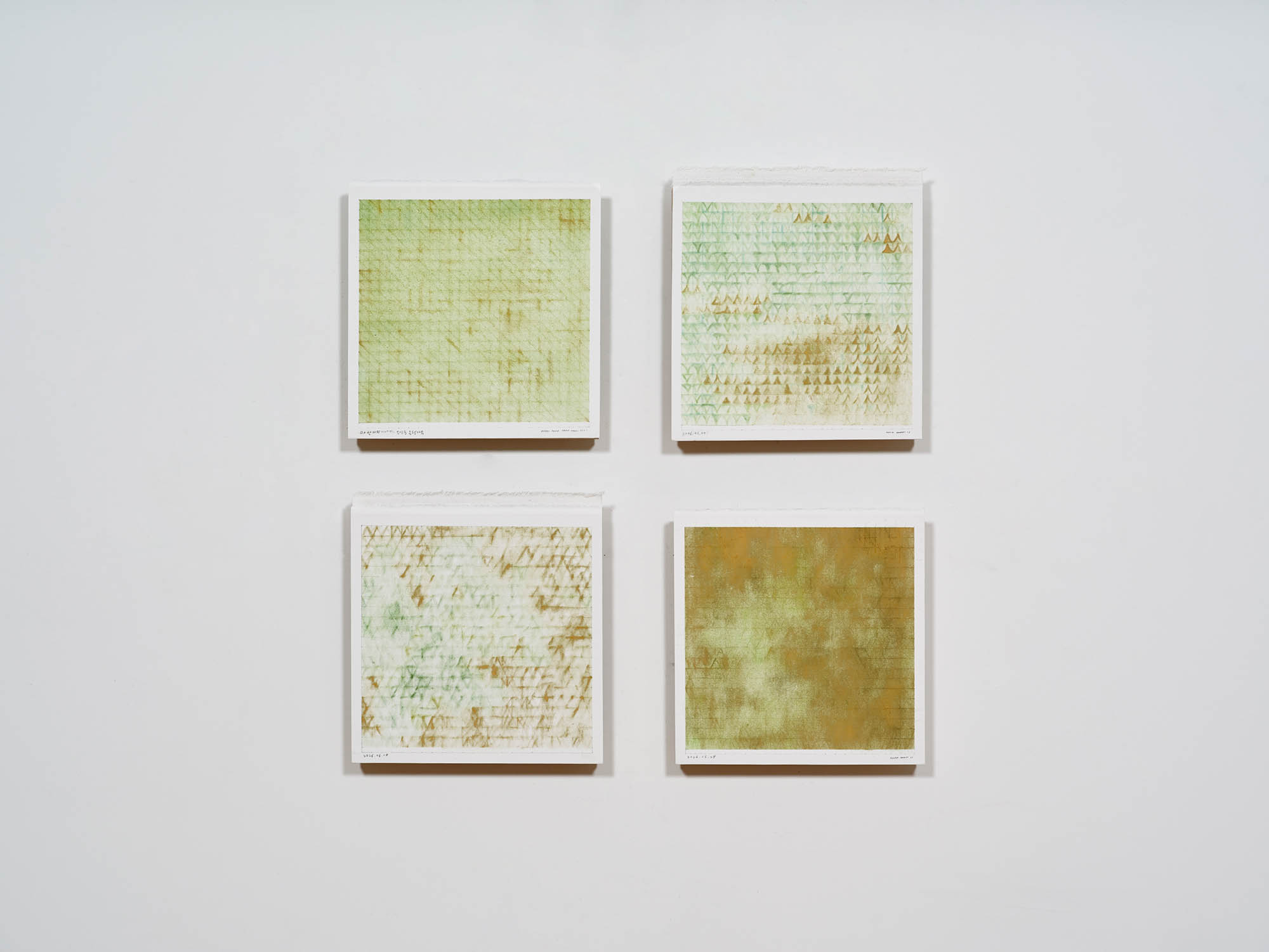
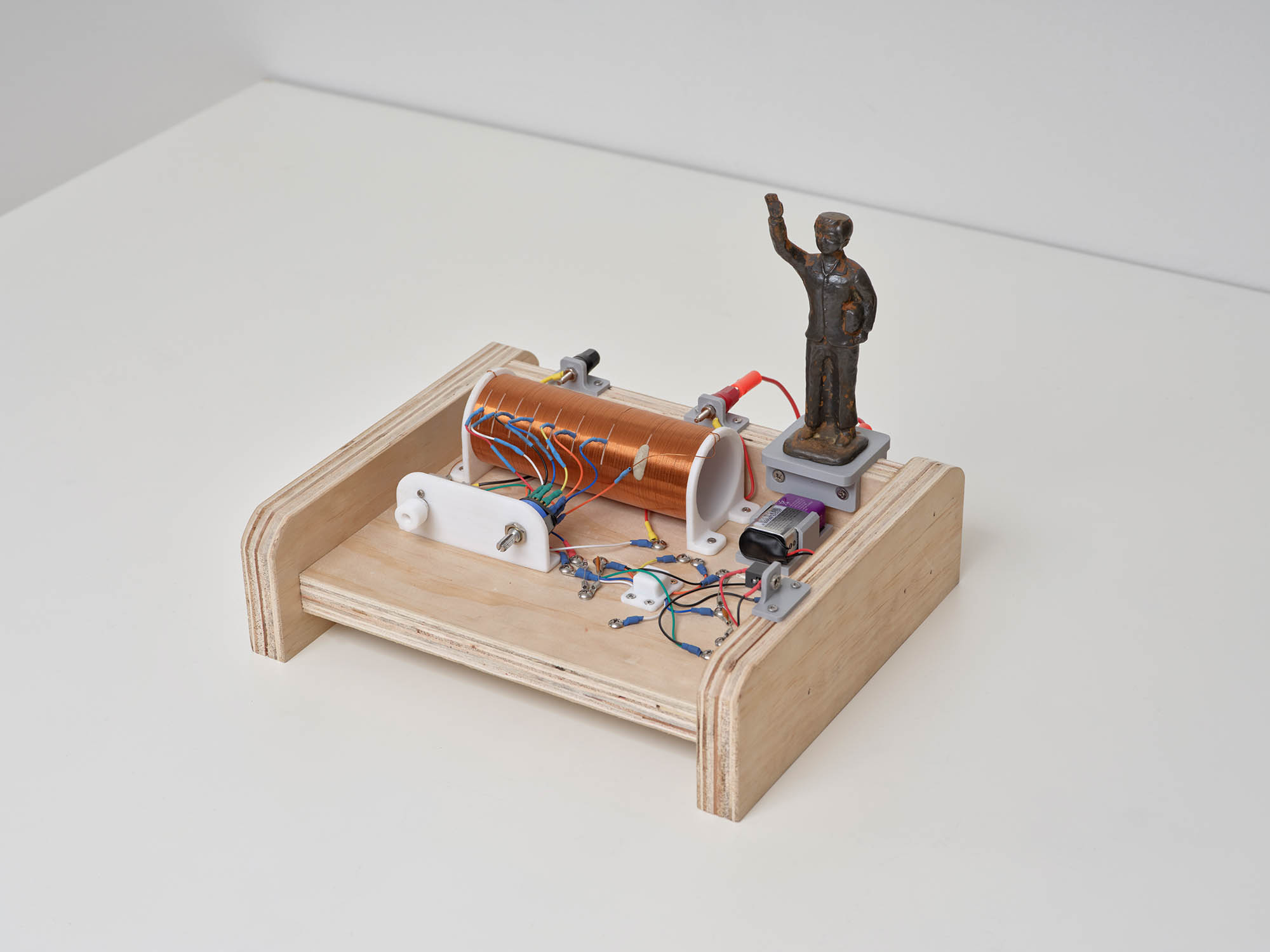
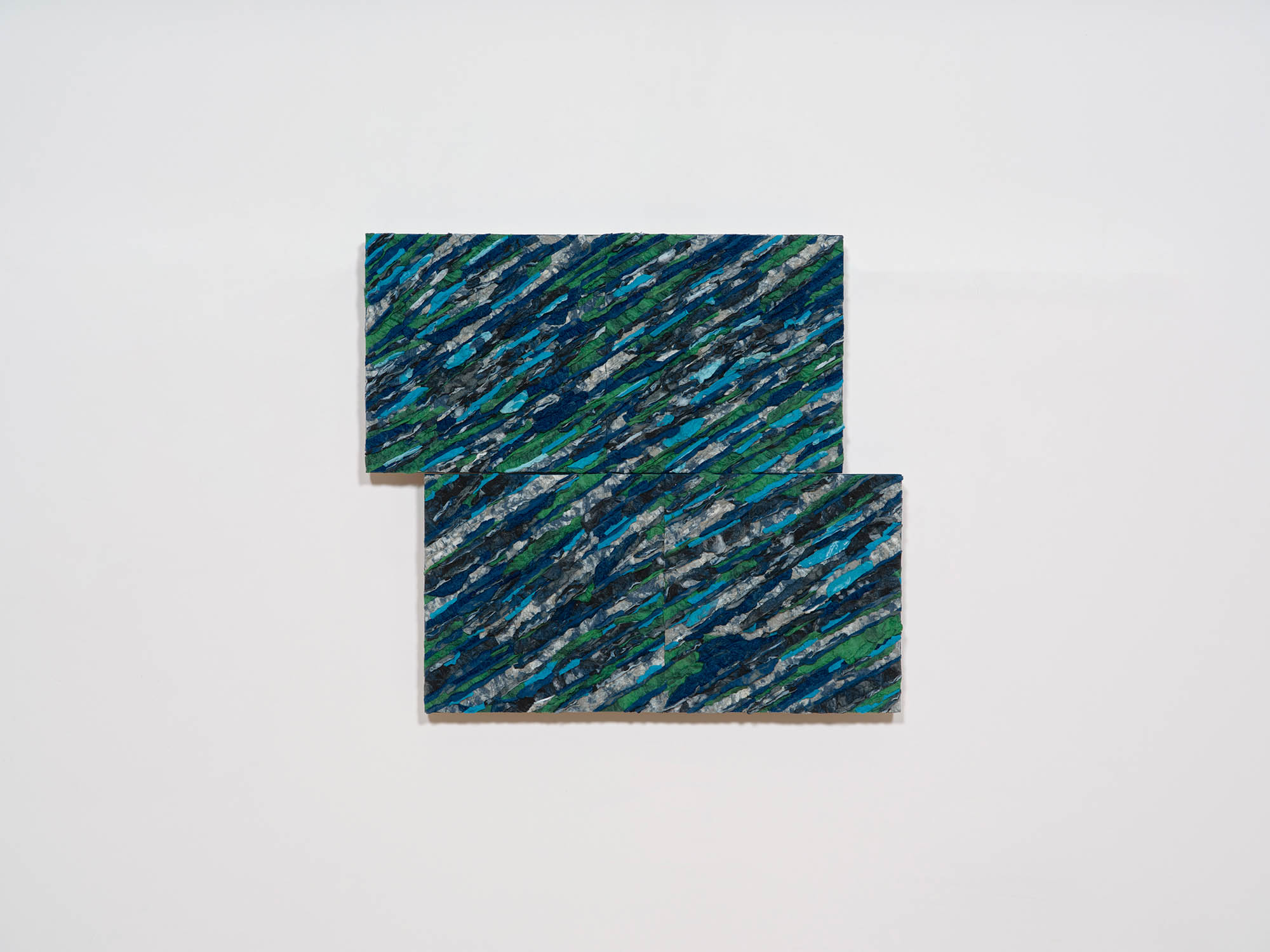
While every work departs from the same framework, the underlying concepts, relationships, and formal approaches branch and vary organically, shaped by each artist's practice. Spanning a breadth of media, the works reinterpret the given format in their own languages, expanding into distinct meanings, materials, sensibilities, structures, and modes of performance.
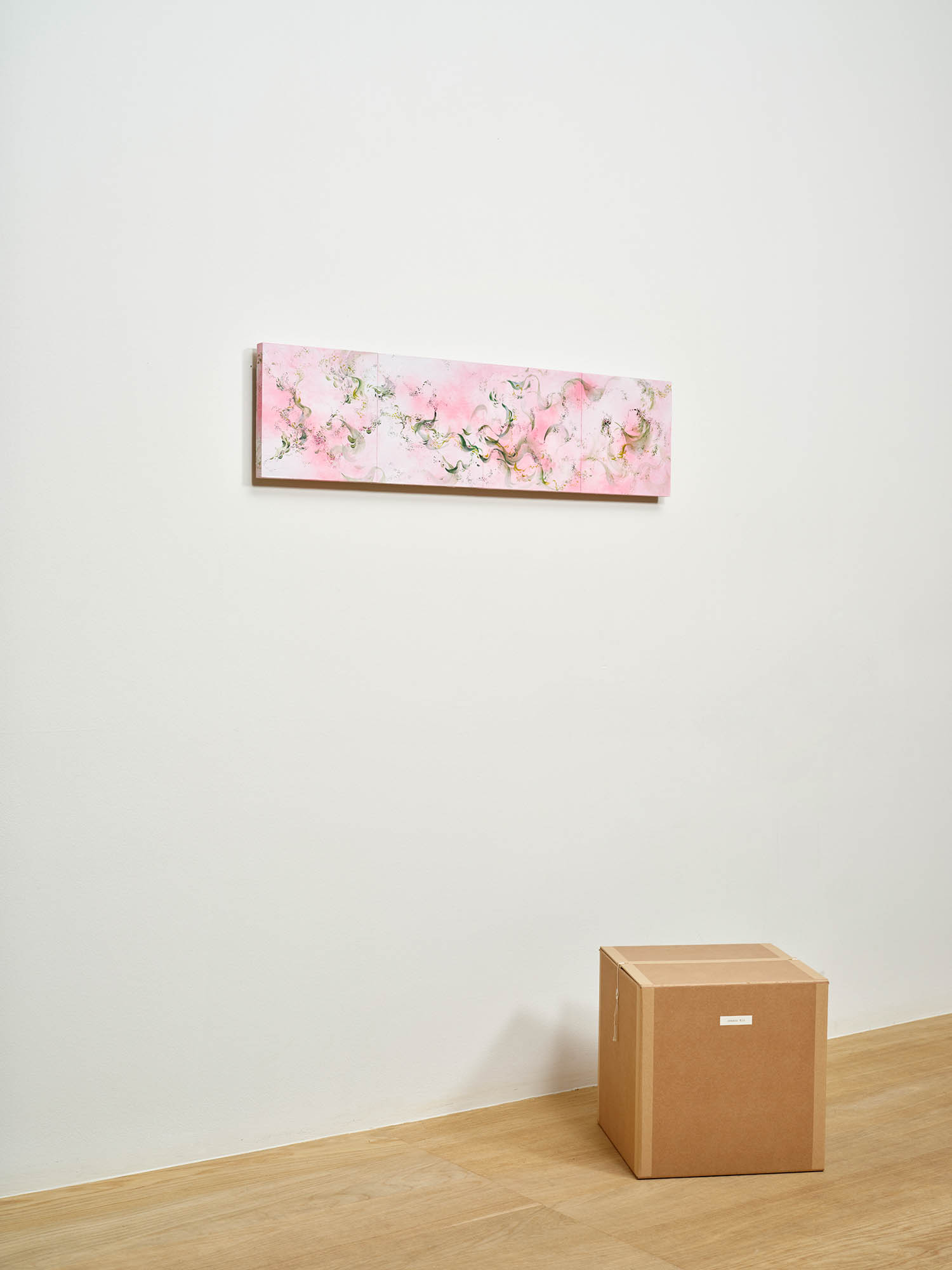
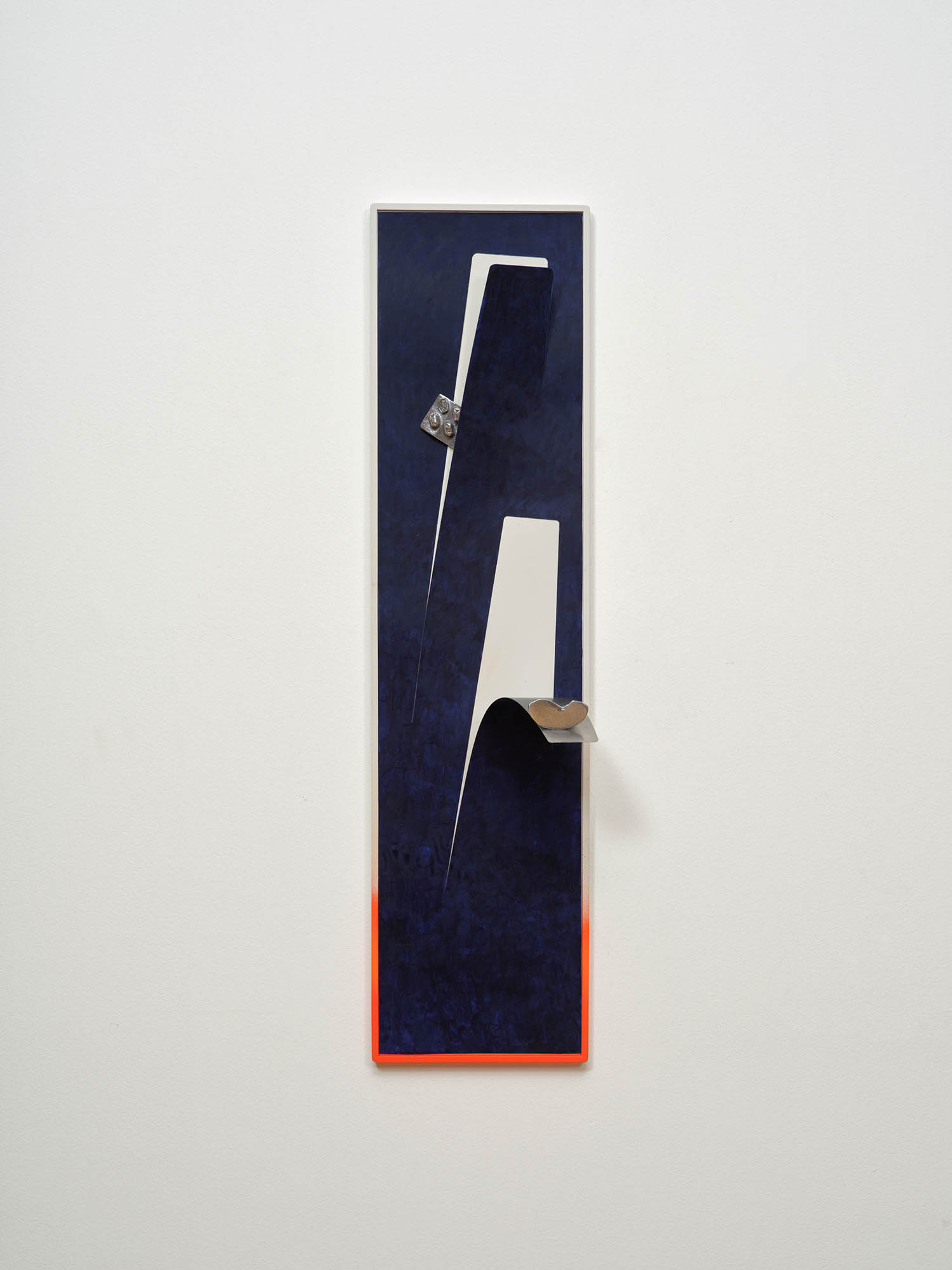
GuNa assembled four plywood panels into a single surface, cut them into irregular contours, and applied translucent resin and FRP putty to transform the work’s structure and texture, before adding oil paint. Through the contrast between its warped form and material qualities, the work presents a sense in which solidity and fragility coexist. Jinju Lee mounts the provided plywood panels onto a frame whose face juts out at a different angle on each side, composing paintings that vary in height and orientation. Set off the wall rather than parallel to it, the work shifts in form and relation as viewers move around it, drawing them into a more active engagement with the narrative fragments scattered across its surface and prompting them to construct a story of their own. Jongwan Jang reinterprets chochungdo, the traditional folk-painting genre that once found meaning in small plants and insects, for the present day; connecting plywood panels bearing these motifs with tree branches and stacking them upward, he forms a forest-like structure that embodies a quiet harmony with nature. Rahm Parc recalls her earlier painting to construct a three-dimensional form folded at a wall corner, proposing a new pictorial architecture in which color, space, and viewer perception intersect.
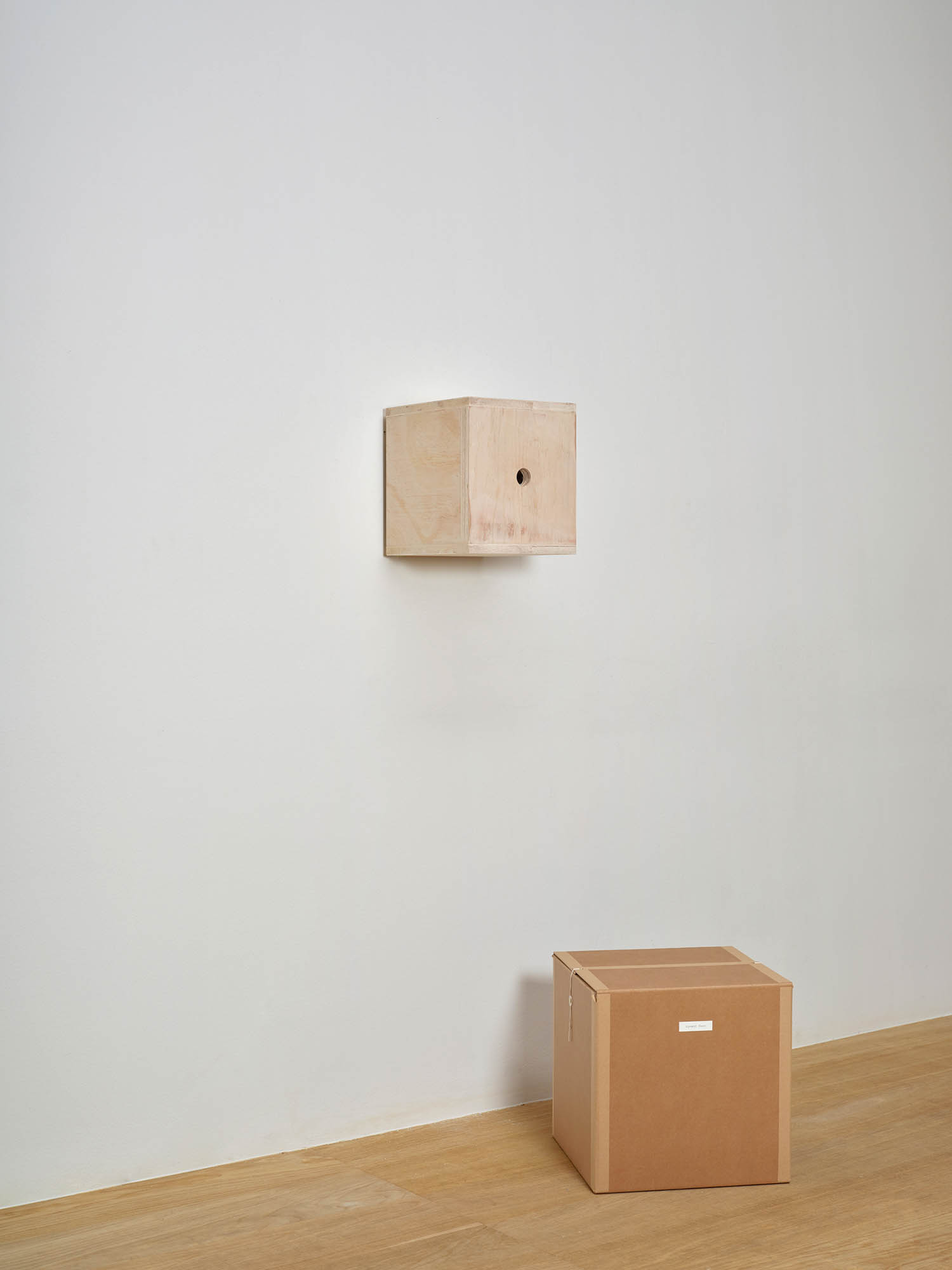
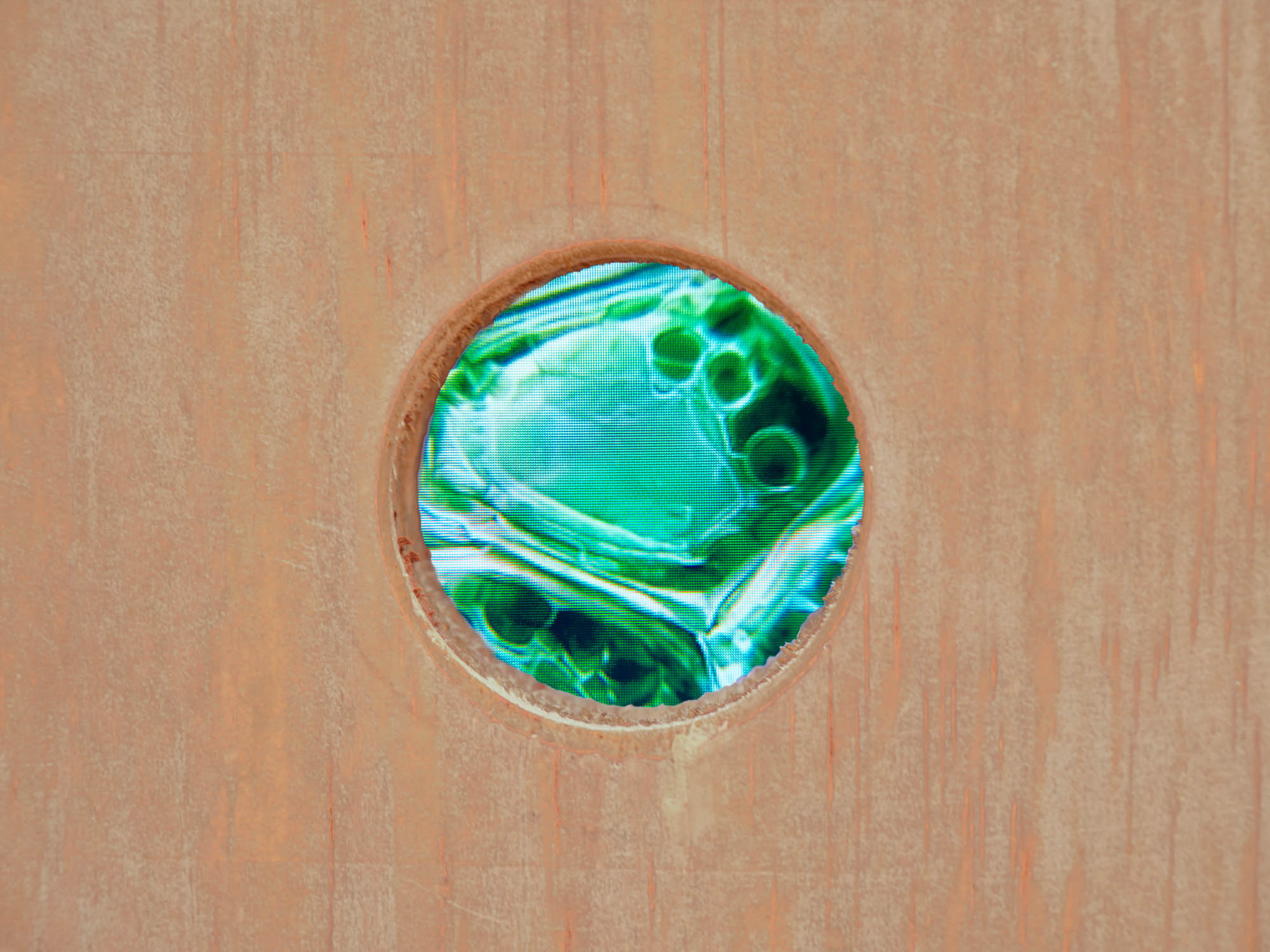
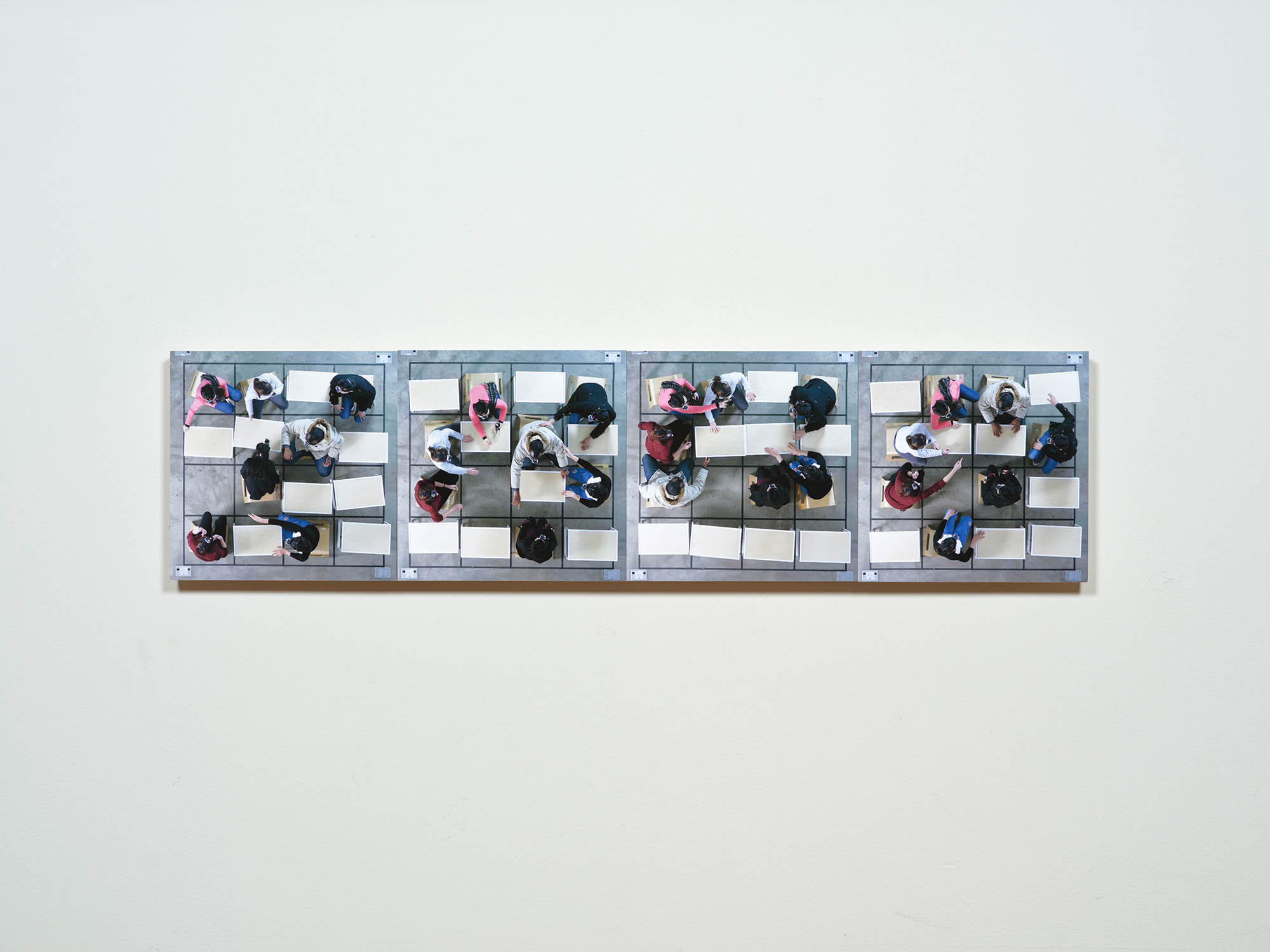
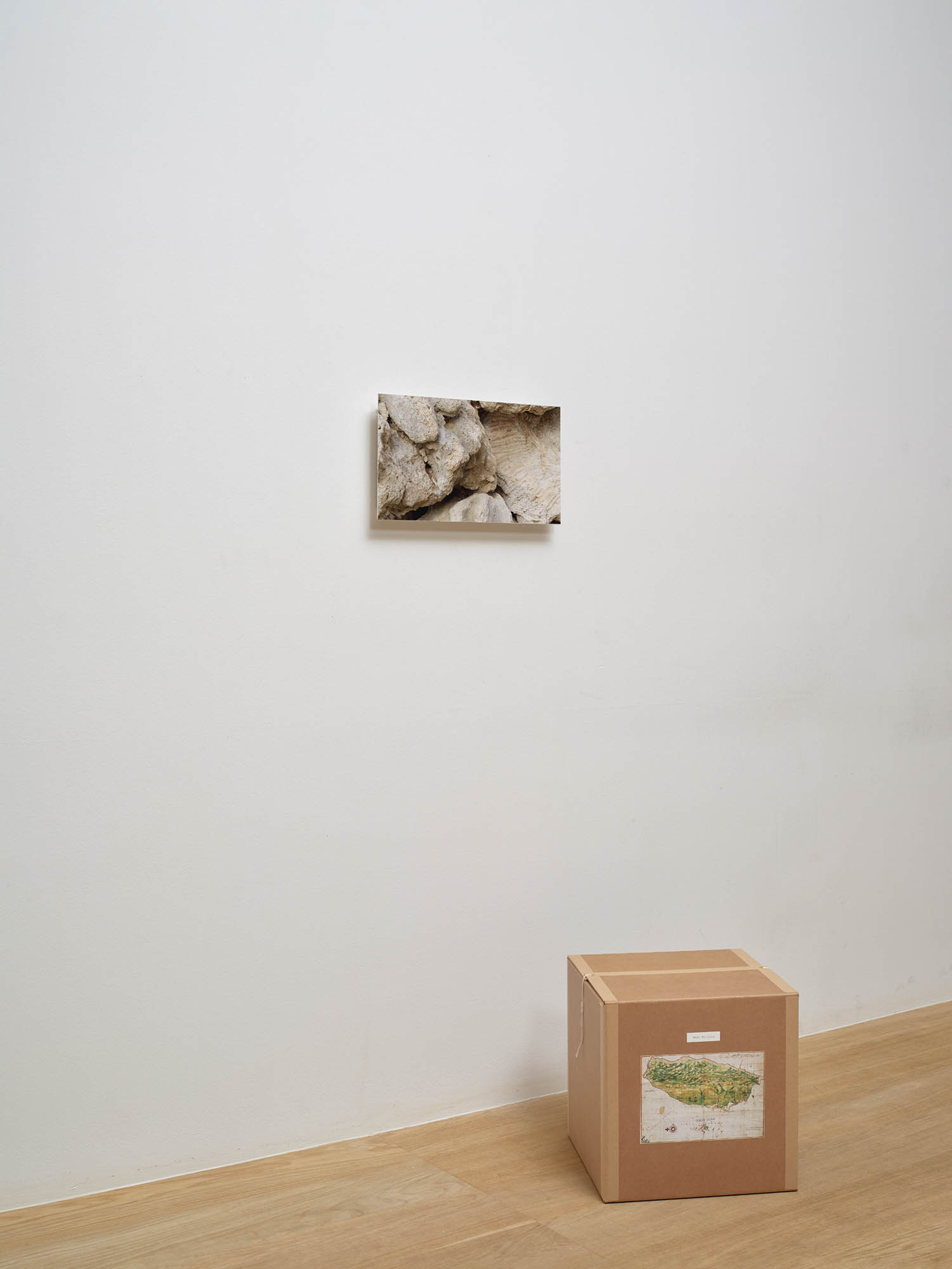
In photography and the moving image, the given framework becomes a means of examining how image and structure guide perception. Junebum Park’s 8 Languages (2026) reconfigures Puzzle (2015), compressing the original four-channel video into four still images and inviting viewers to imagine the various possibilities of variation opened up by the fixed frame. Han Sungpil similarly compresses and reconfigures a large-scale façade project into a small format, carrying the gap and tension between original and reproduction into a new register. Hyewon Kwon’s Synthetic Obscura (2026) sets LCD footage within a plywood camera obscura to consider the relations among human vision, optical apparatus, and the perception of nature, and Jehyun Shin combines video, sound, and sculptural elements in a research-based installation on plywood that layers time, site, and sensory register.
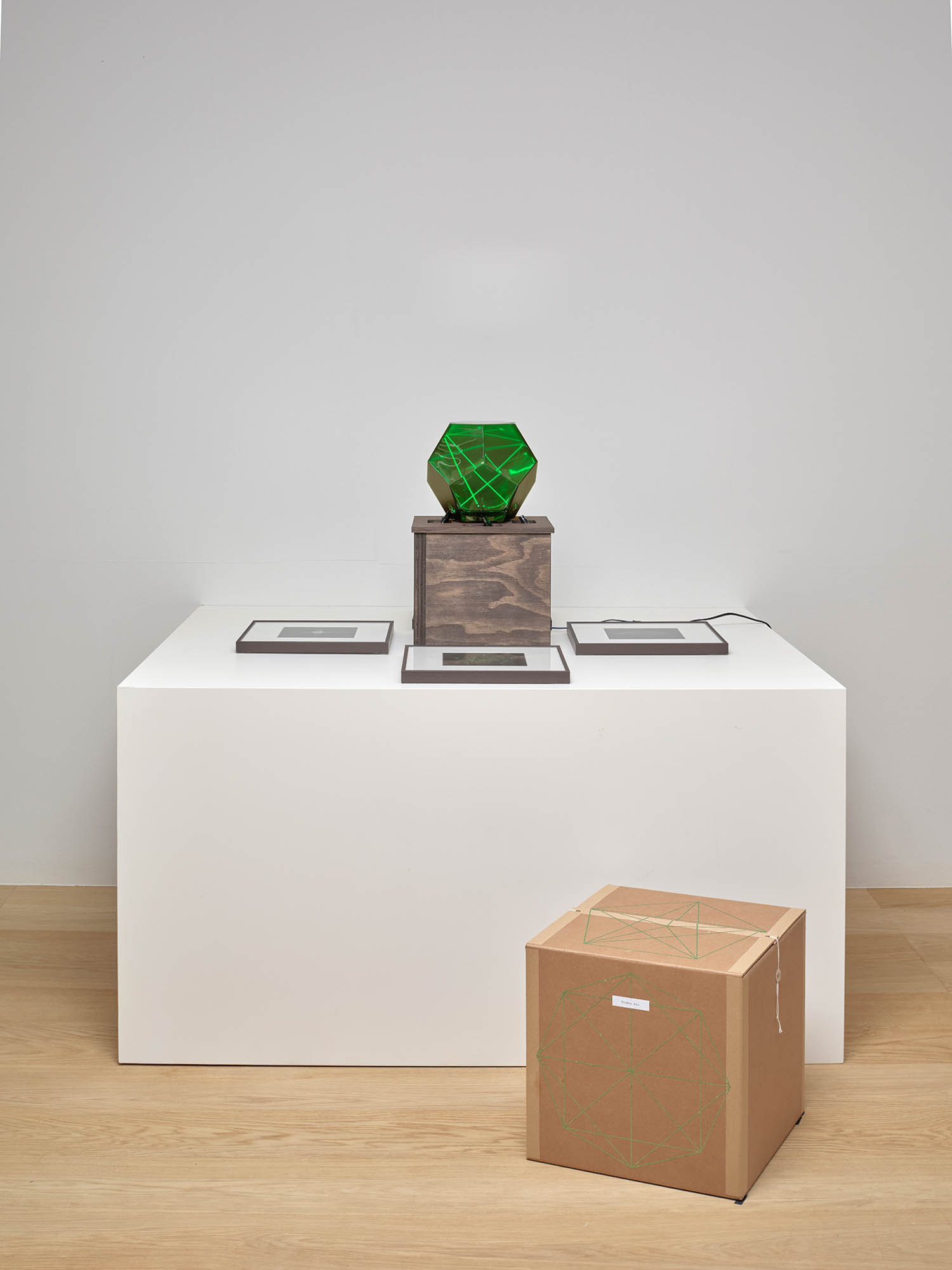
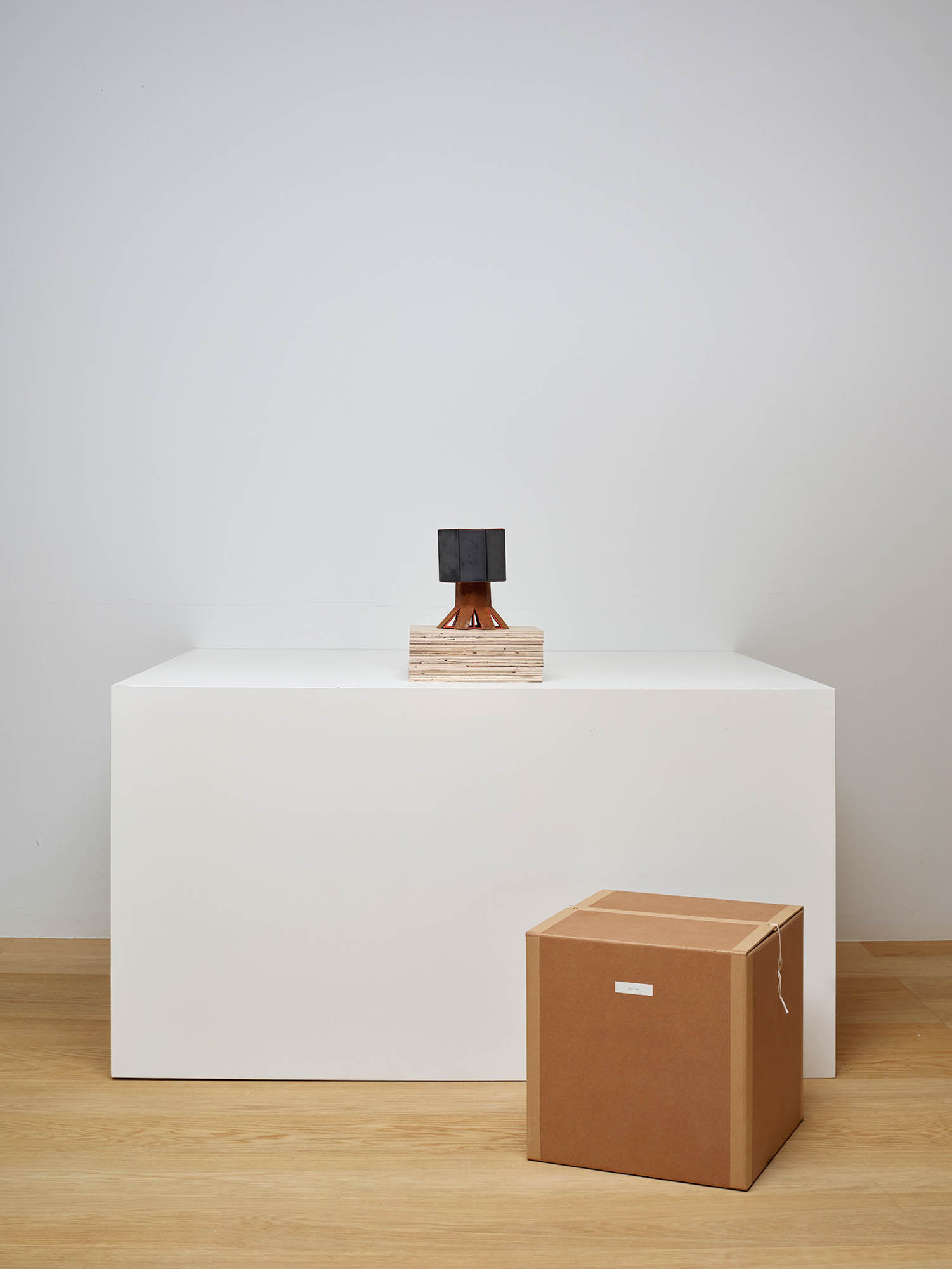
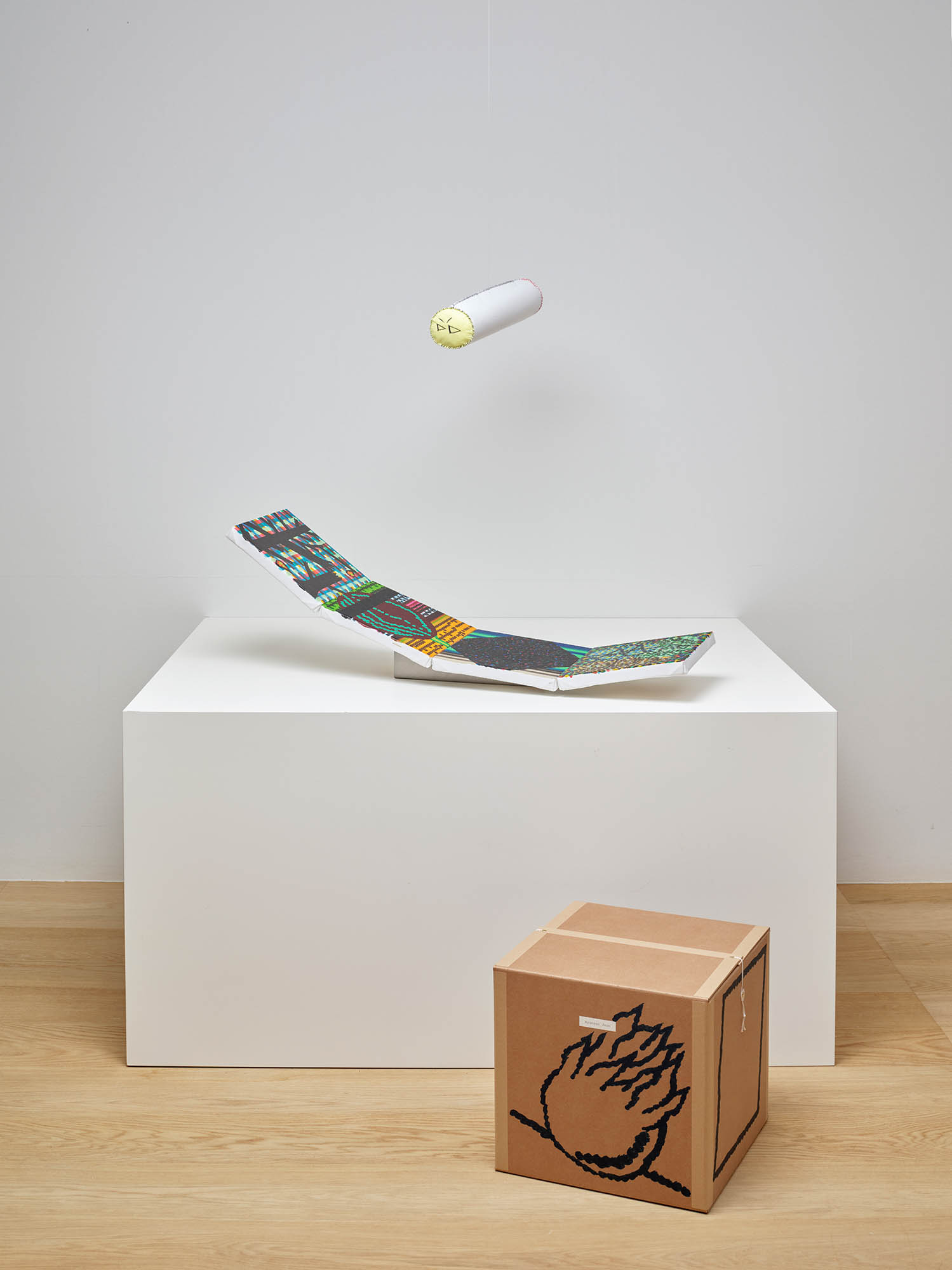
In sculpture and installation, the plywood panels are subjected to physical transformation or drawn into performative processes. Bona Park’s Outside (2026) grinds the four panels and reconstitutes them into a spherical sculpture, recasting what was once a support as sculptural subject, while Park Hyesoo’s Yeongkkeul: Sealed House (2026) uses plywood formwork and shredded banknotes to give shape to the structure of a house, registering the social anxieties embedded in collective housing and the family unit. Shin Min stacks plywood panels to build a staircase, Stairs of NO (2026), embodying the social passage women are compelled to climb. Jong Oh visualizes the passage of point, line, and plane into space through drawn marks and painted planes on plywood, capturing otherwise unseen relations at the moment of their formation, and goyoson embraces the processes of transport and installation into the work itself, attending to transformation and relational duration rather than a fixed, finished state, through a sculpture that continues to change as it passes through many hands.
The exhibition further departs from the convention of wall-mounted display, staging much of the work on the floor in an unconventional spatial arrangement. Each artist’s allotted space is delineated in beige felt, drawing the viewer’s gaze downward and sharpening focus on individual pieces. At the same time, select works occupy wall corners, hang from the ceiling, or mount directly on the wall, ensuring that the context surrounding each piece remains legible and that every artist’s work can be experienced in its own right.
SONGEUN × Unboxing Project: Generative Forms reveals the multilayered generative structure of contemporary art through the work of 179 artists and collectives who, while sharing a single format and condition, have moved in markedly different directions. Setting out from the same conceptual and physical framework, the works take on forms of their own according to differing understandings and sensibilities, materials and formats, attitudes and approaches, unfolding the artistic trajectories of the participants in full. The “generative” of the title, moreover, signifies more than the making of new forms. In art history, the term has designated—within systems-based practices—not a single, finished outcome but the rules, conditions, and systems that continually yield multiple results. The exhibition regards the support structure the SONGEUN Art Award has built over twenty-five years as itself a generative platform—a testament to what such sustained commitment can produce: not only a body of work, but an ecosystem in which practices accumulate, intersect, and generate something larger than the sum of their parts.
2026년 8월 19일부터 10월 10일까지 복합문화공간 송은에서는 역대 송은미술대상 수상 및 본선 진출 작가 179 명/팀이 참여하는 대규모 그룹전 《송은 × 언박싱 프로젝트: 생성적 형상들》이 열린다. 이번 전시는 젊은 작가를 발굴·후원하며 한국 동시대 미술의 중요한 축을 이루어온 송은미술대상 25주년을 기념해 마련되었다. 송은미술대상은 재단 설립자 故 송은 유성연(1917–1999) 명예회장의 한국미술 발전을 위한 뜻을 기리고자 유상덕 회장이 2001년 제정한 미술상이다.
《송은 × 언박싱 프로젝트: 생성적 형상들》은 지난 25년간 송은미술대상과 함께 성장해온 작가들의 예술적 여정을 동시대적 시점에서 재조명하며 이들이 구축해온 다양한 실천의 형상을 조망한다. 전시는 다수의 작가를 유기적으로 아우르기 위해 언박싱 프로젝트(UBP)와의 협업으로 기획되었다. 2022년 시작된 UBP는 주제에 따른 특정 형식의 틀이 담긴 박스를 작가에게 제공하고, 이를 바탕으로 신작을 커미션해온 전시 프로젝트이다. 제한된 형식은 개별 작가의 고유한 조형 언어를 극대화하는 장치로 작동하며 예술의 틀이 만들어내는 창작의 가능성을 탐색해왔다.
이번 전시에서는 개념적 틀로서 전시 제목의 ‘생성적(generative)’이라는 단어와, 물리적 틀로서 25주년을 상징하는 25 × 25 cm 크기 합판 네 장이 담긴 박스를 참여 작가에게 전달하고, 이를 활용한 신작 제작을 의뢰하였다. ‘생성적’이라는 개념은 AI의 활용이 일상화된 오늘의 시대성을 환기하는 동시에 미술상 참여 이후 작가들의 예술적 전개 과정을 반추하는 단서로 기능한다. 동일한 물리적 조건은 회화·사진·조각·설치·미디어·퍼포먼스 등 매체와 결합하여 작품의 지지체·재료·설치 구조 등으로 유동적으로 해석된다.
전시 작품은 동일한 틀에서 시작하지만 각 작가의 예술적 실천에 따라 개념과 관계, 조형 방식이 유기적으로 분기하고 변주된다. 여러 매체를 아우르는 작업들은 제한된 형식을 각자의 조형 언어로 재해석하며 서로 다른 의미와 물질·감각·구조·수행으로 확장된다.
구나는 네 개의 합판을 하나의 화면으로 이어붙인 뒤 불규칙하게 절단하고 반투명 레진과 FRP 퍼티로 구조와 질감을 변형한 위에 유화를 더해, 뒤틀린 형태와 물성의 대비 속에서 견고함과 취약함이 공존하는 감각을 제시한다. 이진주는 제공된 합판을 한쪽 면이 모두 다른 각도로 비스듬히 튀어나온 틀에 붙여 높낮이와 각도가 다른 회화를 구성한다. 벽과 평행하지 않게 돌출된 회화는 관객 위치에 따라 보이는 형상과 관계를 달라지게 하여 관객이 화면 위 서사의 파편들에 보다 적극적으로 개입해 스스로의 이야기를 만들도록 이끈다. 장종완은 작은 식물과 곤충에서도 의미를 찾은 전통 민화 ‘초충도(草蟲圖)’를 현대적으로 재해석하고, 그림이 그려진 합판을 나뭇가지로 연결해 쌓아 올려 ‘숲’ 같은 회화적 구조를 만들어 자연과의 조화를 구현한다. 박아람은 과거의 평면 회화를 소환해 합판을 벽 모서리에 맞춘 입체로 세우며 색과 공간, 관객의 지각이 교차하는 새로운 회화적 구조를 제시한다.
사진과 비디오 매체 작업에서는 제공된 틀을 활용해 이미지 및 구조가 촉진하는 인식의 전환을 들여다보는 시도가 이어진다. 박준범의 〈8개의 언어〉(2026)는 2015년작 〈퍼즐〉을 재구성해 4채널 영상을 4개의 스틸 이미지로 압축함으로써, 고정된 프레임이 열어놓는 다양한 변주 가능성을 상상하게 한다. 한성필은 대형 파사드 프로젝트를 소형으로 압축·재구성한 작품으로 원본과 재현 사이의 간극과 긴장을 새로운 차원으로 전개한다. 권혜원의 〈신세틱 옵스큐라〉(2026)는 합판으로 만든 카메라 옵스큐라 구조 안 LCD에 영상을 재생하며 인간의 시각과 기술적 장치, 자연 인식의 관계를 되짚고, 신제현은 영상·사운드·조각적 요소를 결합하여 합판 위 리서치 기반 설치를 만들어 시간과 장소, 감각의 층위를 겹쳐 놓는다.
한편 조각과 설치 작업은 합판이라는 물리적 조건 자체를 변형시키거나 이를 수행의 과정으로 연결한다. 박보나는 네 장의 합판을 분쇄해 구 형태의 조각으로 재구성함으로써 지지체였던 재료를 조형적 주체로 전환시키고, 박혜수의 〈영혼의 집〉(2026)은‘분쇄된 1만 원권을 합판 거푸집에 찍어 만든 육면체를 통해 ‘집’의 상징적 가치를 물리적 형상으로 전환하고, 획일화된 집합주택과 내 집 마련의 꿈을 환기한다. 신민은 합판을 쌓아 여성에게 강요되는 사회적 이동 통로로서의 ‘계단’을 구현한 〈거절의 계단〉(2026)을 선보이고, 오종은 합판 위에 그린 점과 선, 채색된 면으로 점·선·면이 공간으로 전이되는 과정을 시각화하며 보이지 않던 관계와 그 형성의 순간을 포착한다. 고요손은 운송·설치의 과정을 작업 안으로 끌어들여 여러 관계자의 손을 거치며 변모하는 조각으로 작품의 완결보다 변형과 관계의 지속에 주목한다.
더불어 이번 전시는 작품을 벽면에 설치하는 전통적 방식에서 벗어나 대부분의 작업을 바닥에 배치하는 파격적인 공간 연출을 시도한다. 각 작가의 전시 공간을 연베이지색 펠트천으로 구획하고 해당 구역에 작품을 설치함으로써 관객의 시선을 바닥으로 유도해 개별 작품에 더욱 집중할 수 있게 한다. 동시에 작품의 맥락을 명확하게 전달하기 위해 벽 모서리, 천장에서 내려오는 설치, 벽면에 거는 형식 등을 병행하여 모든 작가의 작품이 오롯이 감상될 수 있도록 한다.
《송은 × 언박싱 프로젝트: 생성적 형상들》은 하나의 형식과 조건을 공유하면서도 각기 다른 방향으로 전개된 180여 명의 작업을 통해 동시대 미술의 다층적 생성 구조를 드러낸다. 같은 개념적·물리적 틀에서 출발한 작품들은 다양한 이해와 감각, 물질과 형식, 태도와 접근에 따라 변주되며 참여 작가들의 예술적 궤적을 입체적으로 펼쳐낸다. 더불어 전시 제목의 ‘생성적’은 단순히 새로운 형상을 만들어낸다는 의미를 넘어선다. 미술사적으로 이 용어는 시스템 기반의 예술 실천 속에서 하나의 완결된 결과물이 아니라 다양한 결과를 지속적으로 산출하는 규칙과 조건, 그리고 시스템을 의미해 왔다. 이러한 의미에서 이번 전시는 지난 25년간 송은미술대상이 구축해온 지원의 구조를 하나의 생성적 플랫폼으로 바라본다. 나아가 송은미술대상이 후원해온 작가들을 한자리에 모아 한국 동시대 미술이 쌓아온 시간과 변화의 흐름을 응축해 보여주며 미술상이 예술적 생태계에 기여해온 바를 가시화한다.