- EXHiBiTiON DATES
- VENUE
- PARTiCiPATiNG ARTiSTS
"eading Between and Beyond Text and Image
“I like the idea of a word becoming a picture, almost leaving its body, then coming back and becoming a word again.[1]”
— Ed Ruscha
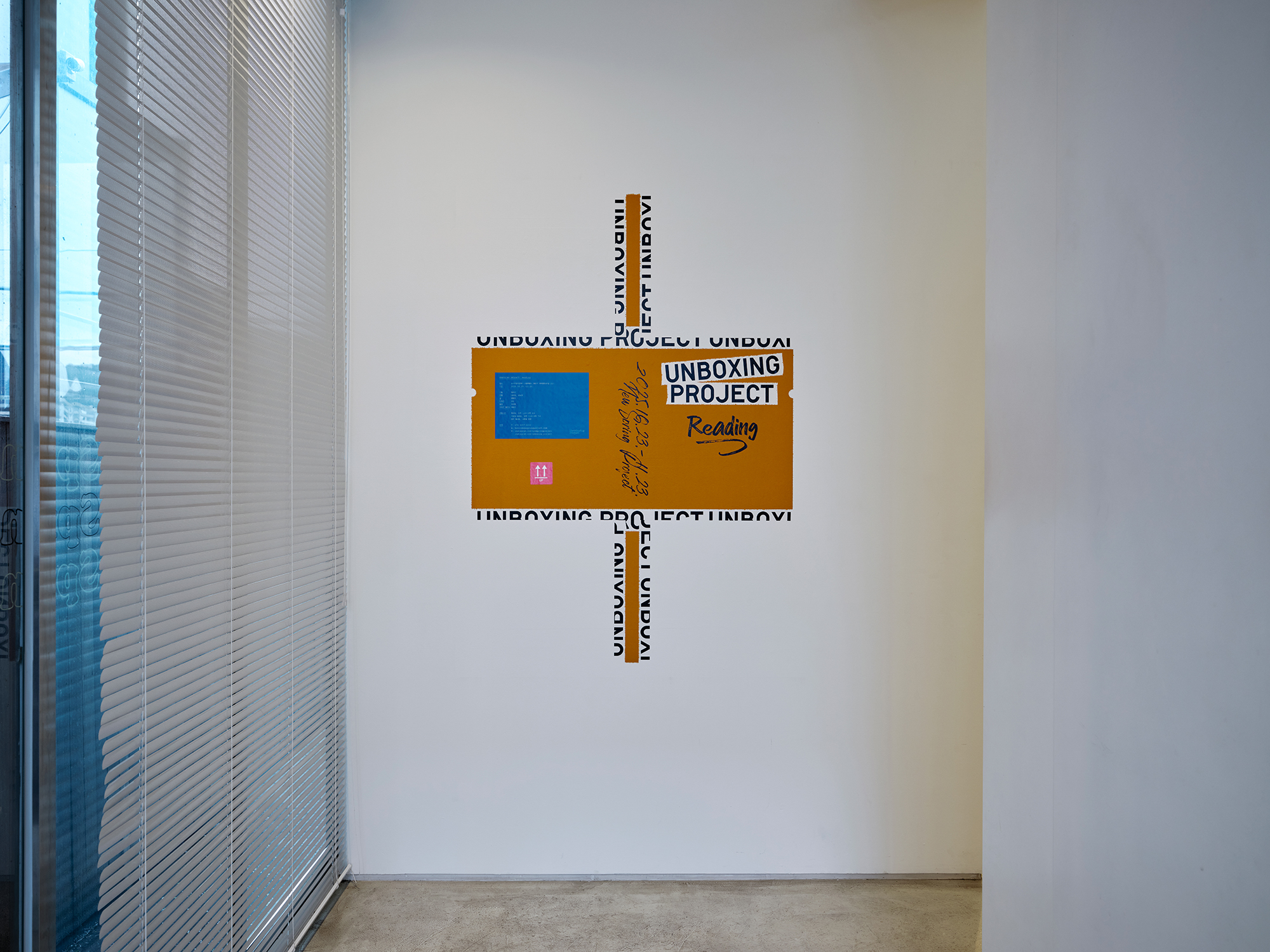
This exhibition takes as its point of departure a remark by Ed Ruscha: the idea of a word becoming a picture, momentarily shedding the body of its meaning, before returning to language once again. This cyclical movement—through which language is transformed into a visual object and meaning becomes layered and multiplied—encapsulates the conceptual premise of 《UNBOXING PROJECT: Reading》, an exhibition that examines text and image, reading and interpretation, and the spaces between and beyond them.
Language—and more specifically, written text—has long played a significant role in the history of painting. From hieroglyphs placed alongside images in ancient Egyptian murals for purposes of record and communication, biblical passages incorporated into medieval paintings, and East Asian munjado (文字圖), in which characters themselves were rendered pictorially, to René Magritte’s use of language detached from image to unsettle the limits of perception; from Lawrence Weiner and Jenny Holzer’s treatment of language itself as an artistic medium within Conceptual Art to Ruscha’s transformation of words into visual objects, text has never occupied merely the margins of art. It has entered the pictorial field, served as a medium in its own right, and generated fundamental questions about representation. Words may explain an image, precede it, or at times become images themselves.
Conceived around this relationship between text and image, the sixth edition of UBP, 《Reading》, brings together two acts of reading: reading an artwork and reading the words that appear within a painting. While written language provides a framework through which the world is understood, in art it exceeds its function as a tool of communication and becomes a medium capable of generating multiple layers of meaning. Within painting, text and image may converge or collide, producing new visual grammars. In this process, words extend beyond their literal meanings to activate emotion, memory, and context, drawing viewers into an ongoing process of interpretation. When language that cannot be readily deciphered begins to operate as abstract form, meaning is not so much blocked as opened onto another register. The viewer encounters not a single outcome of reading, but the very process through which interpretation is produced. 《Reading》 explores this fluid field of legibility, expanding the possibilities of encountering art across understanding, interpretation, and imagination.
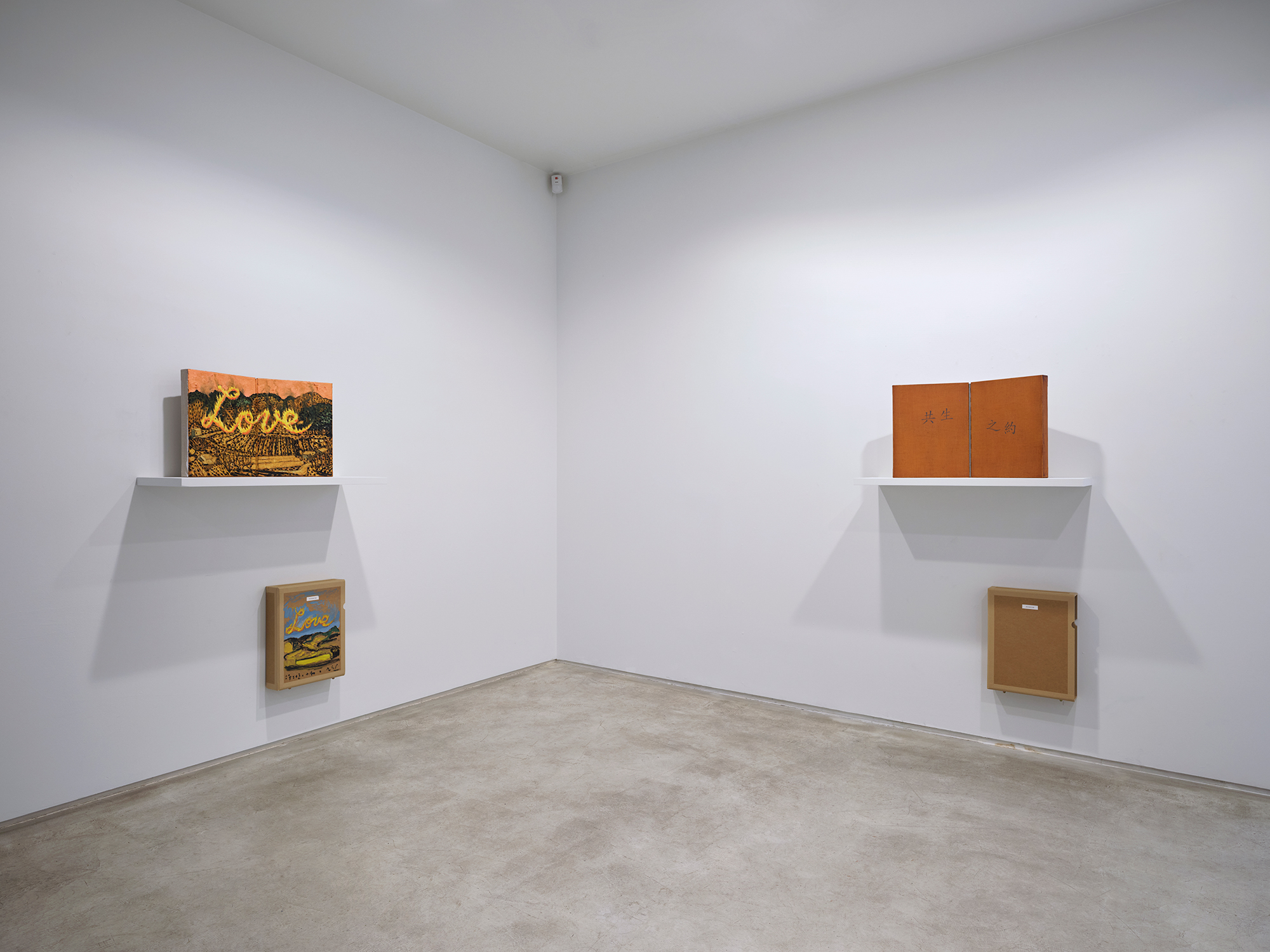
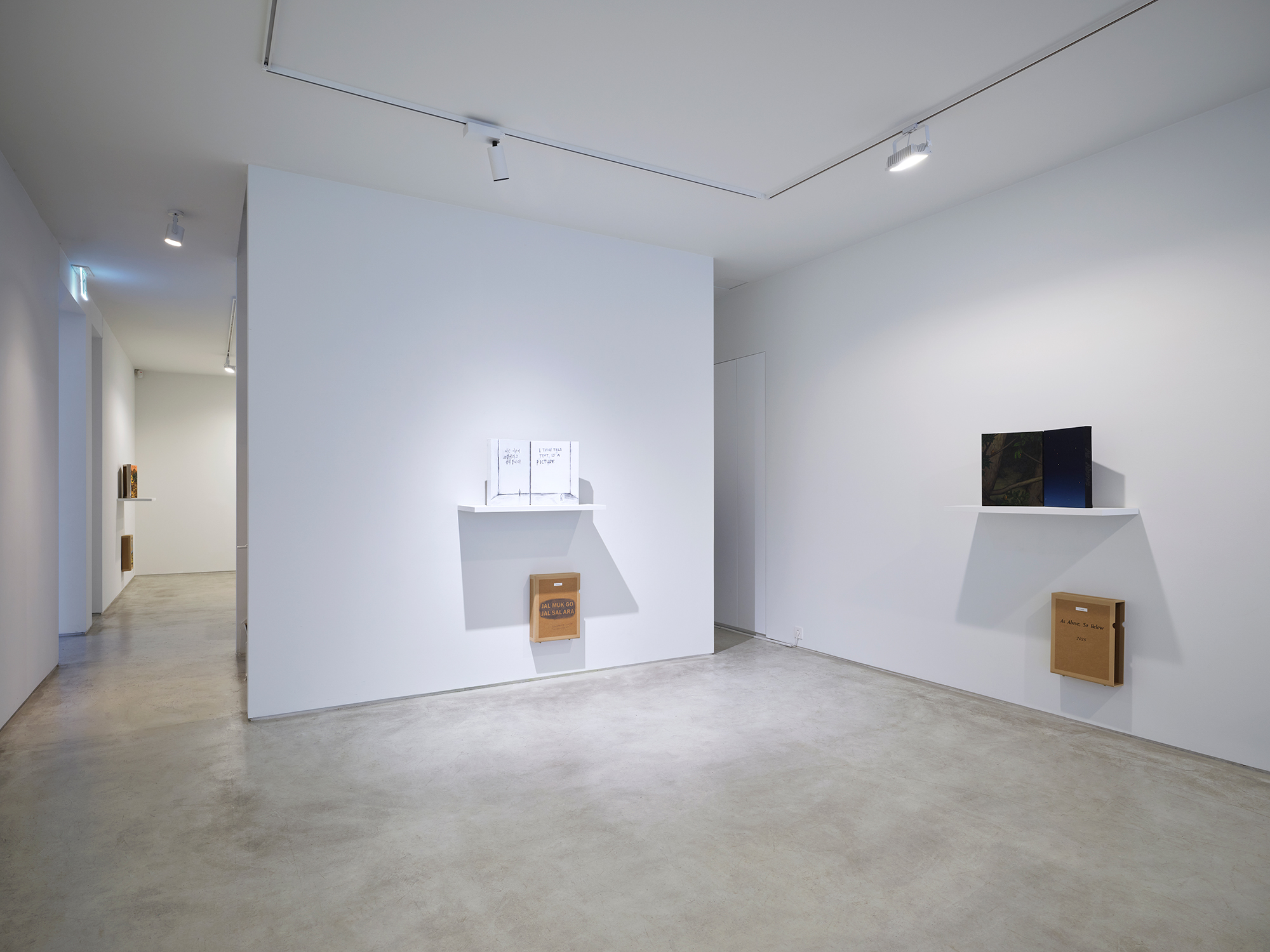
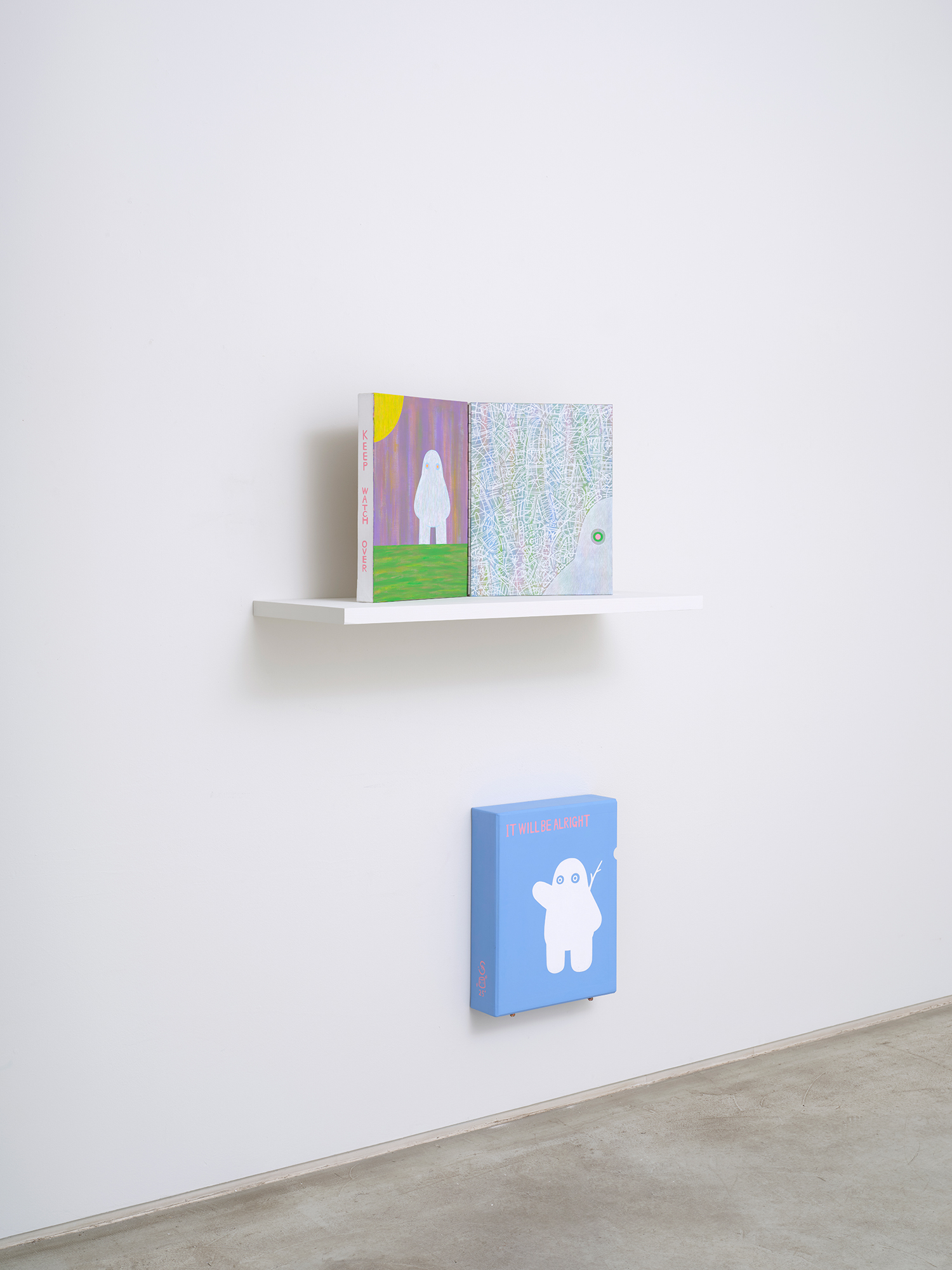
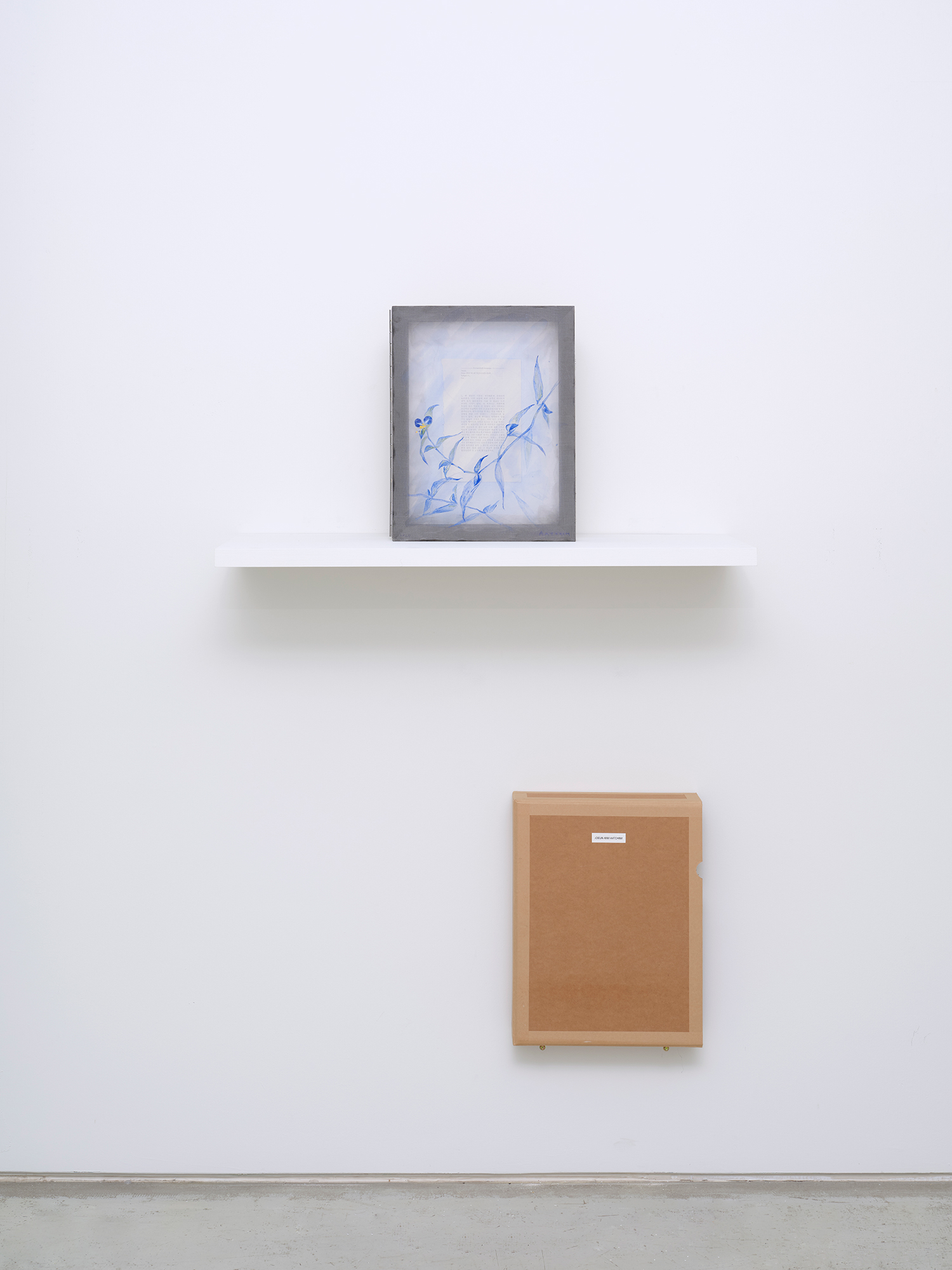
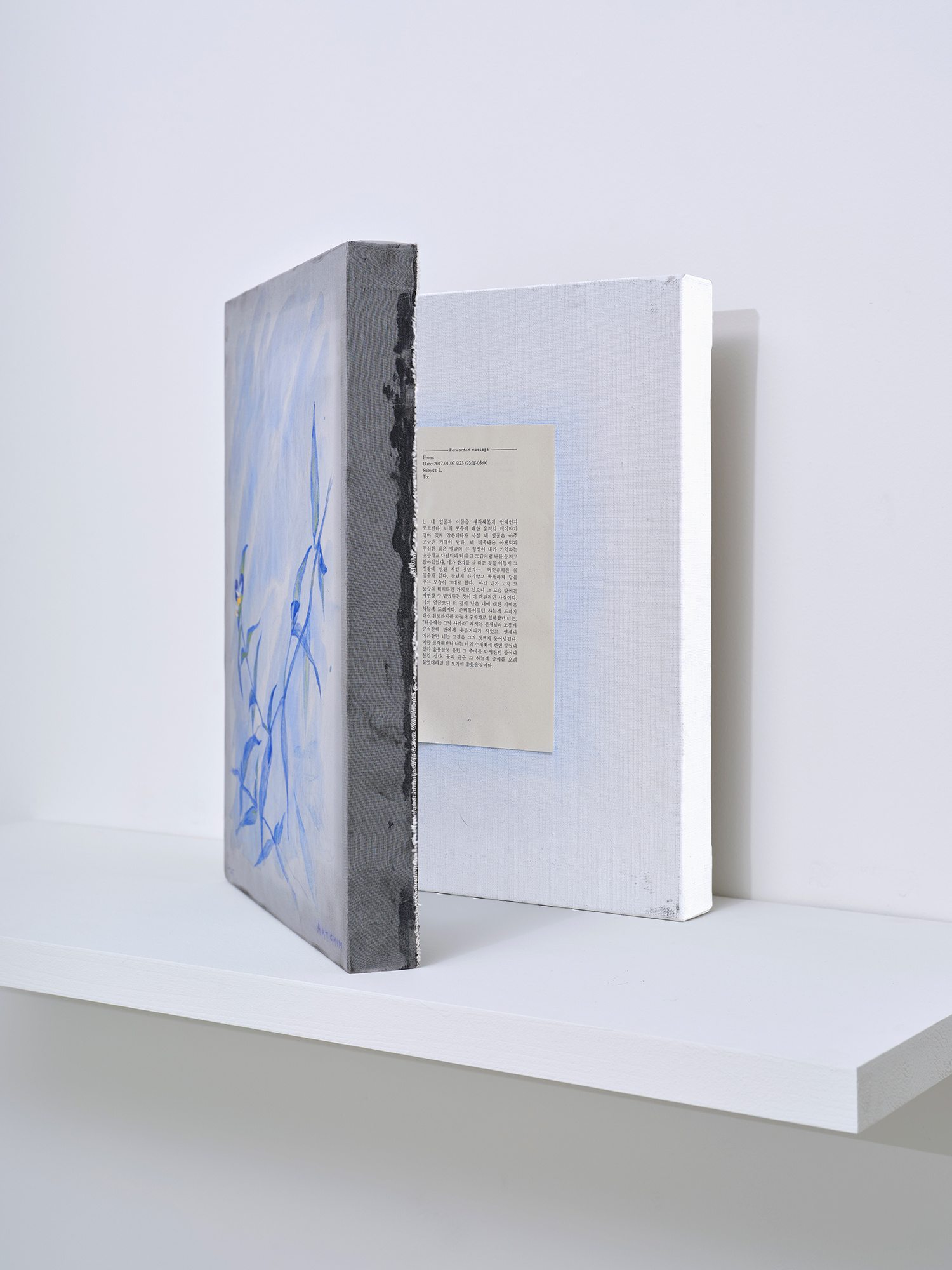
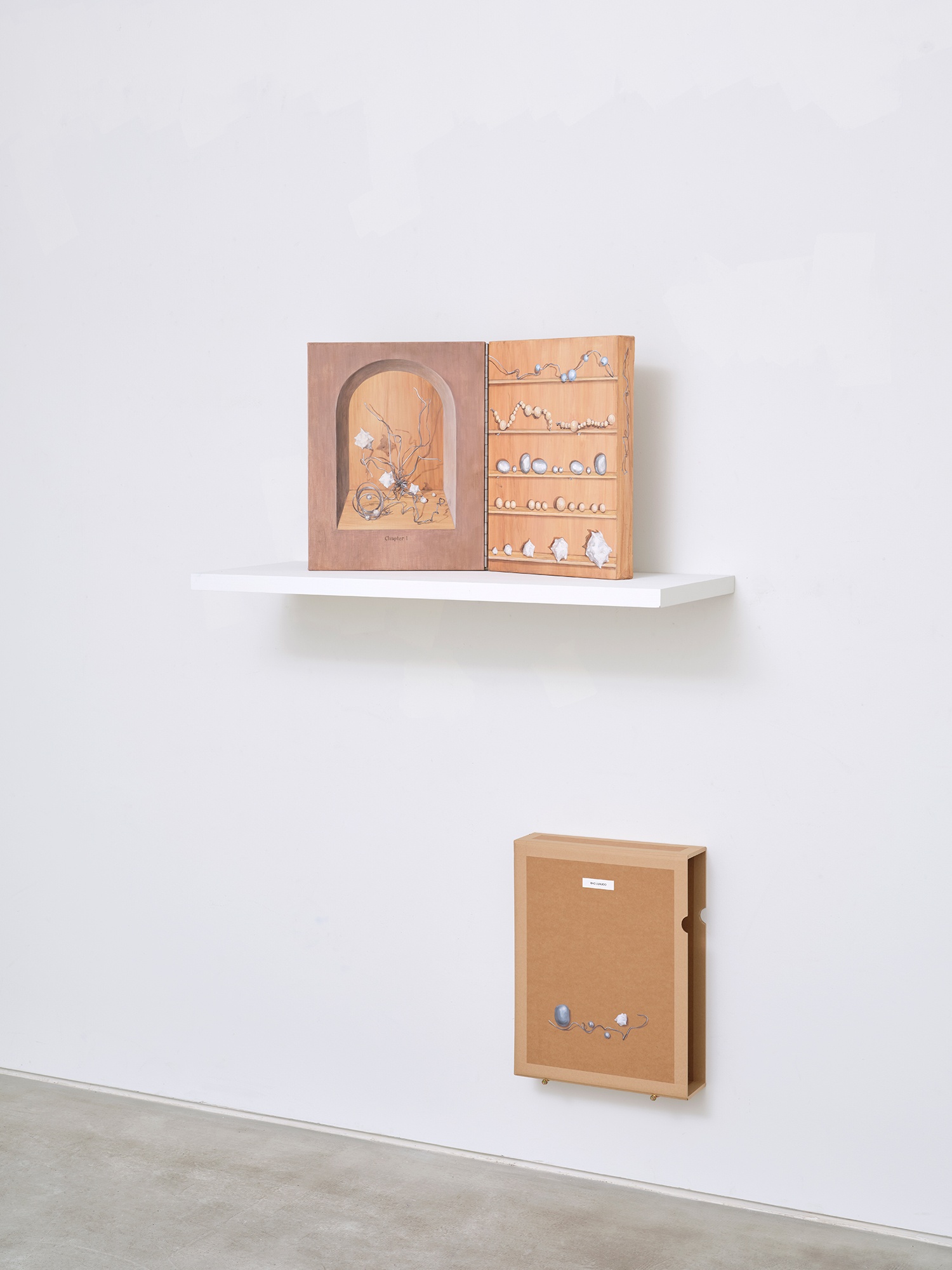
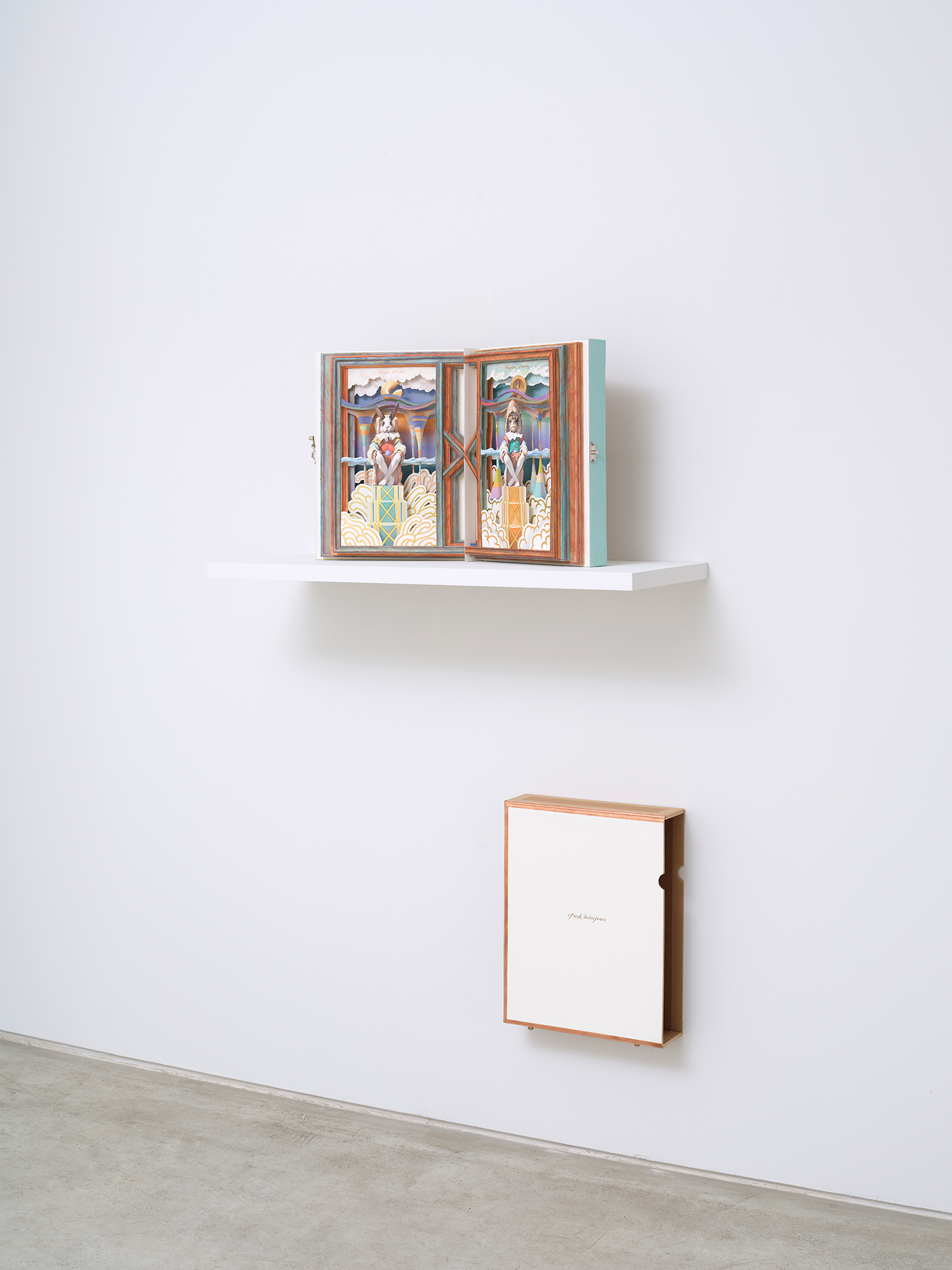
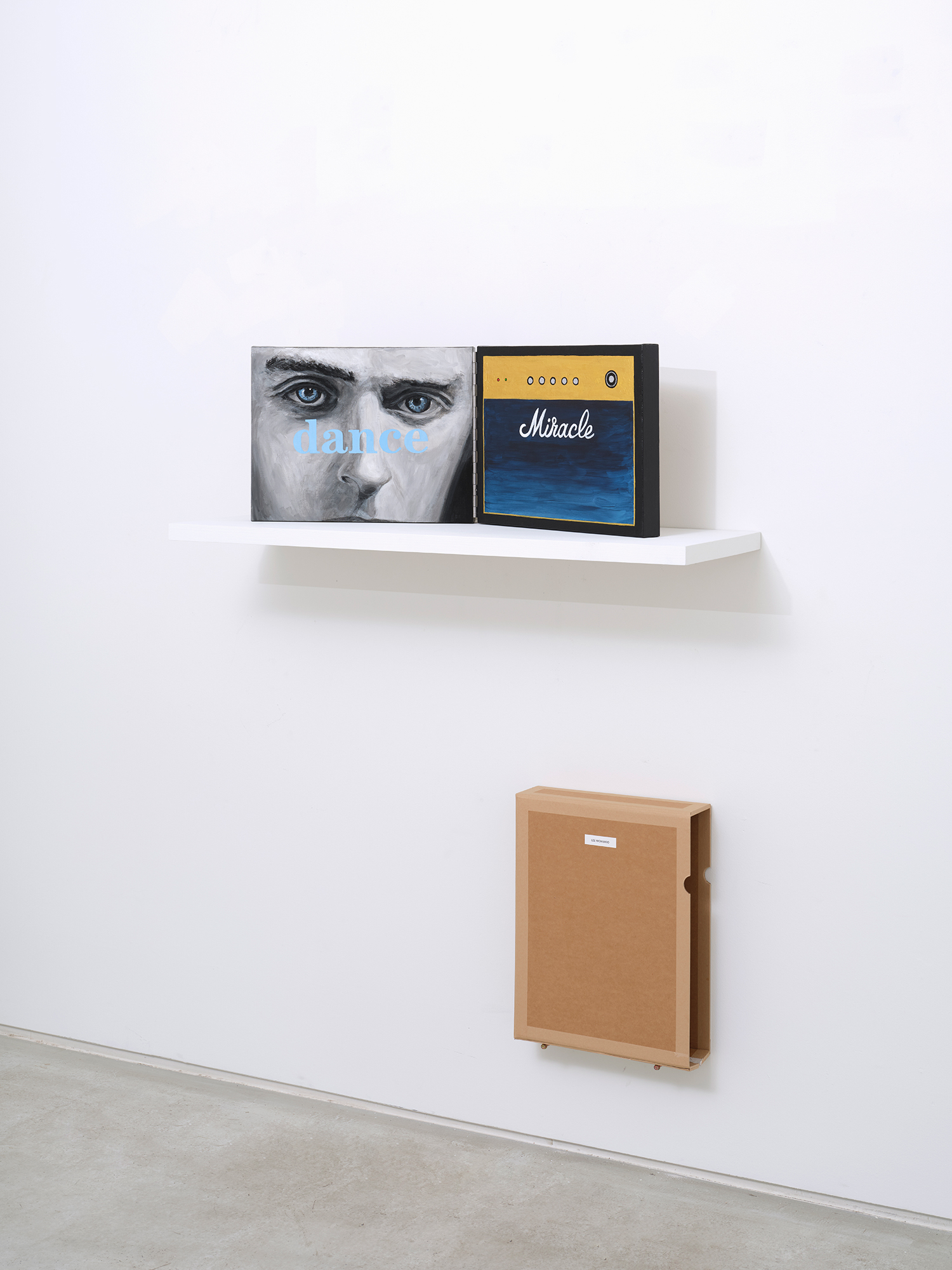
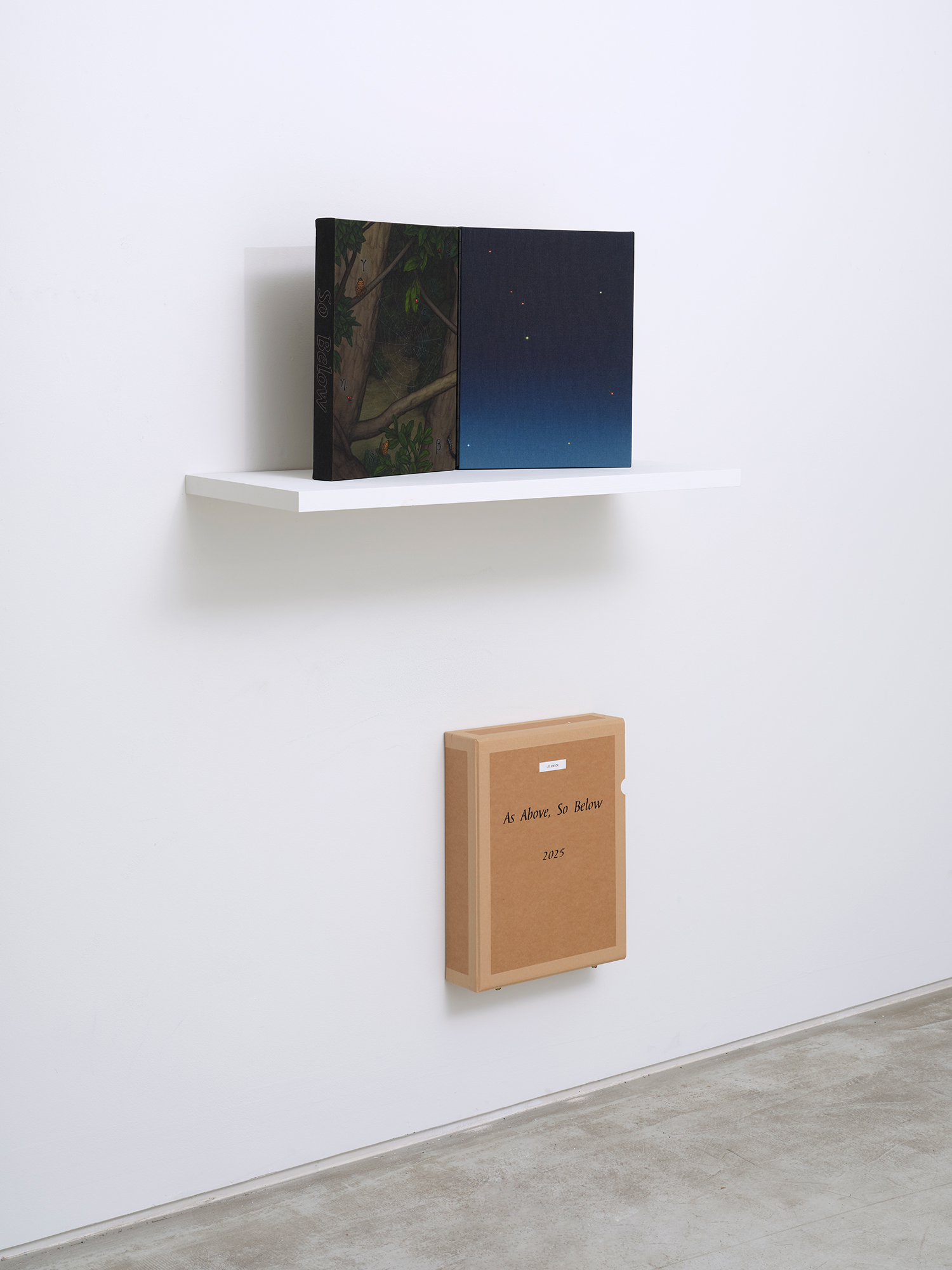
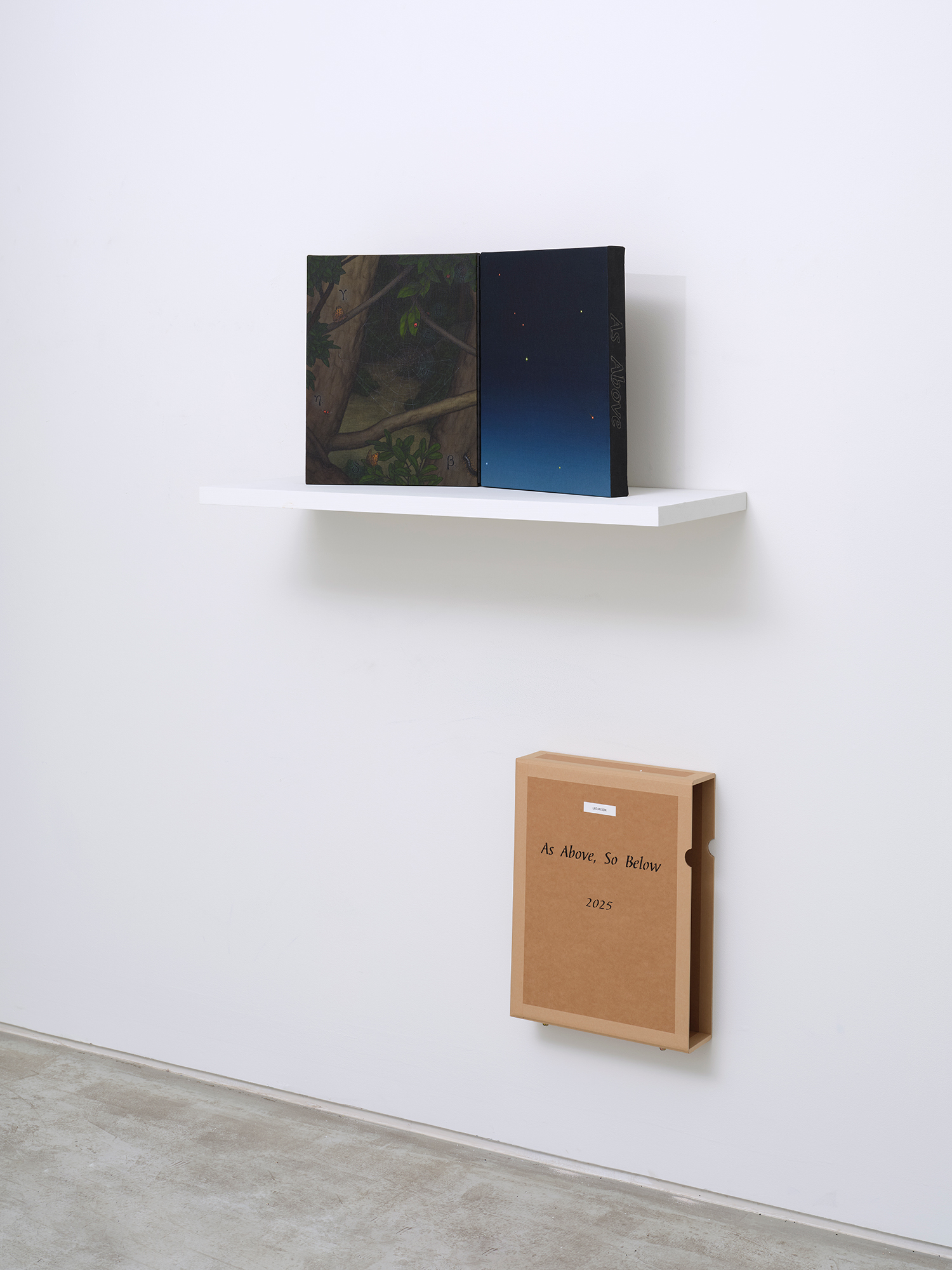
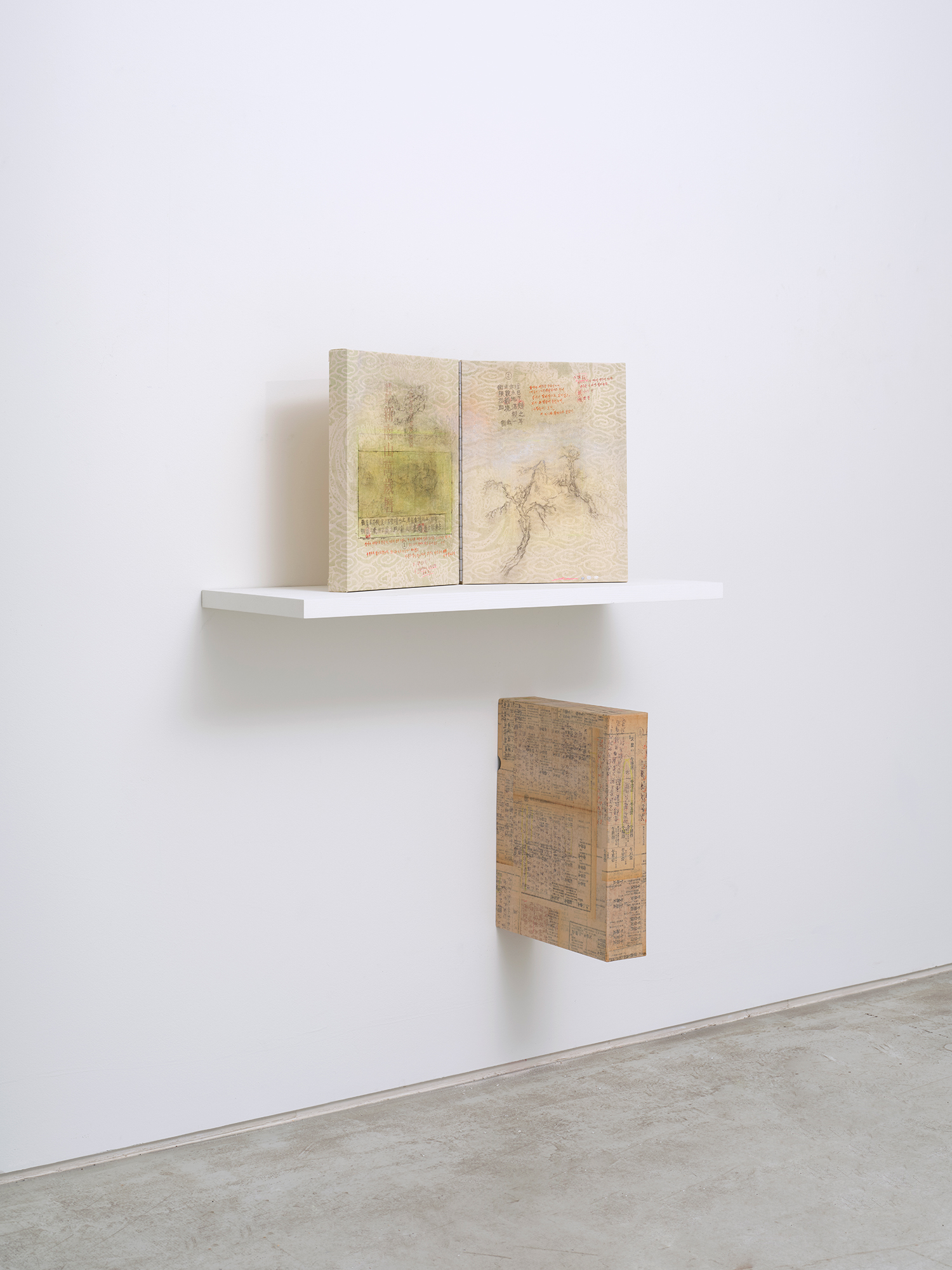
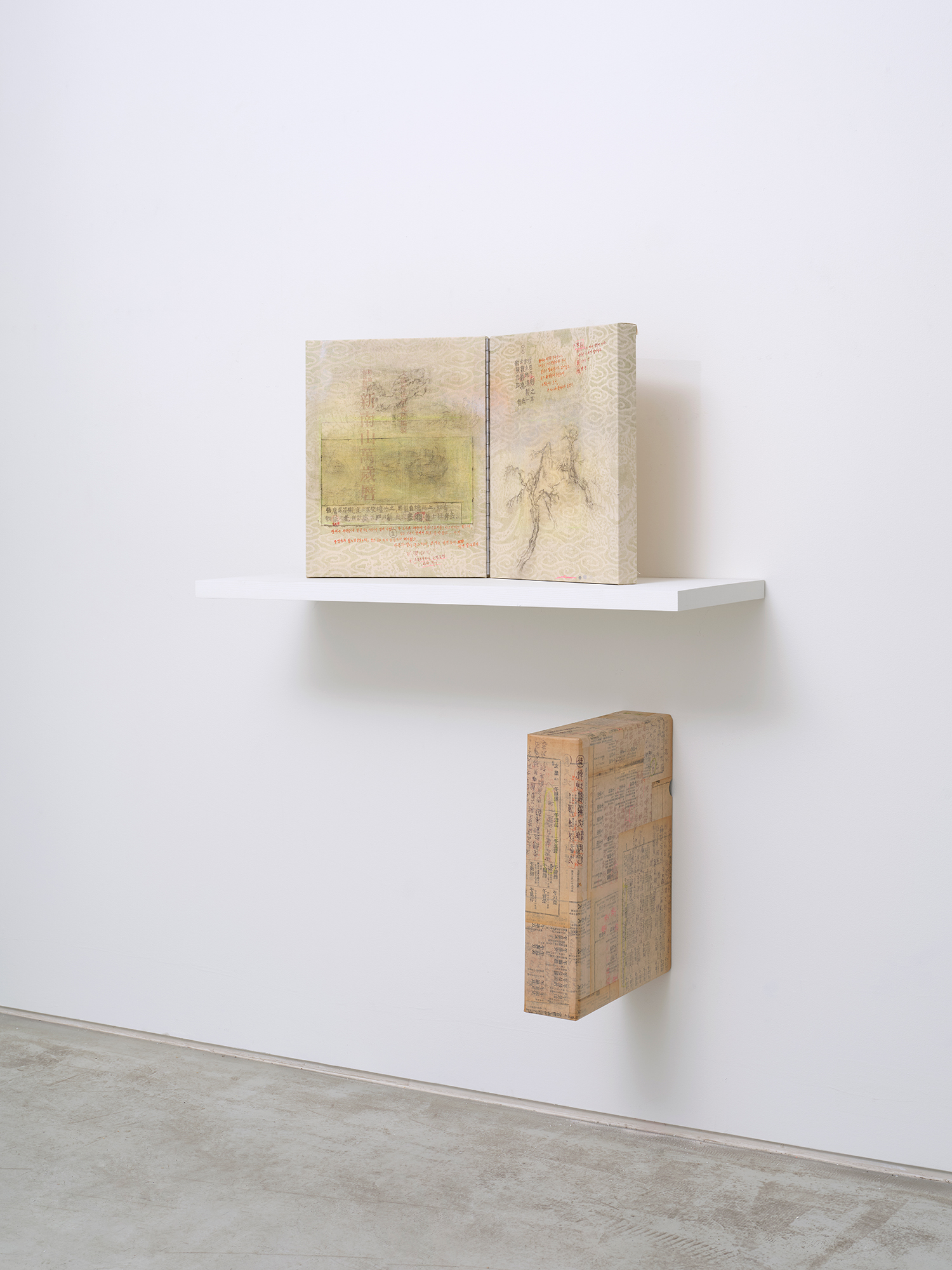
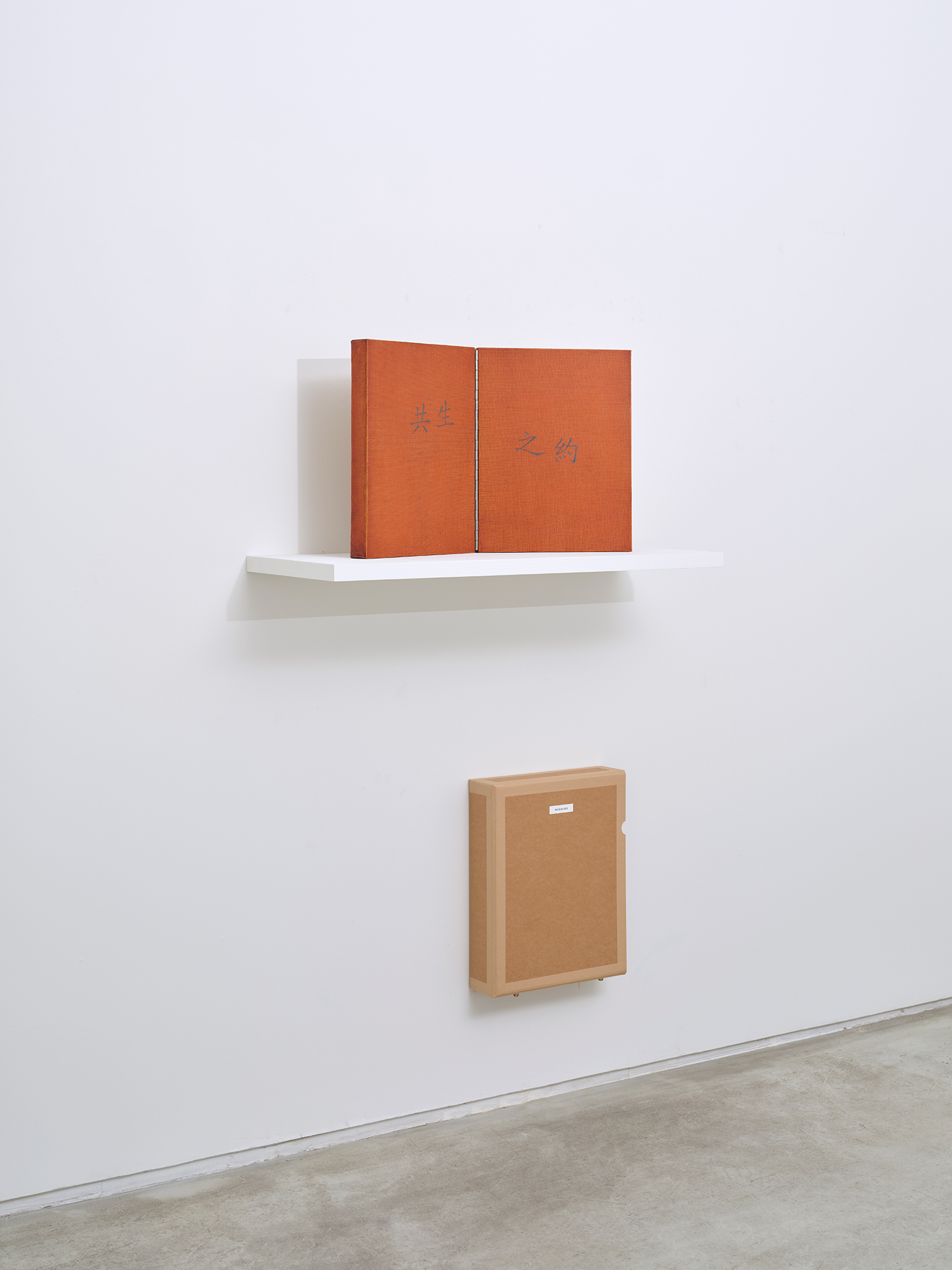
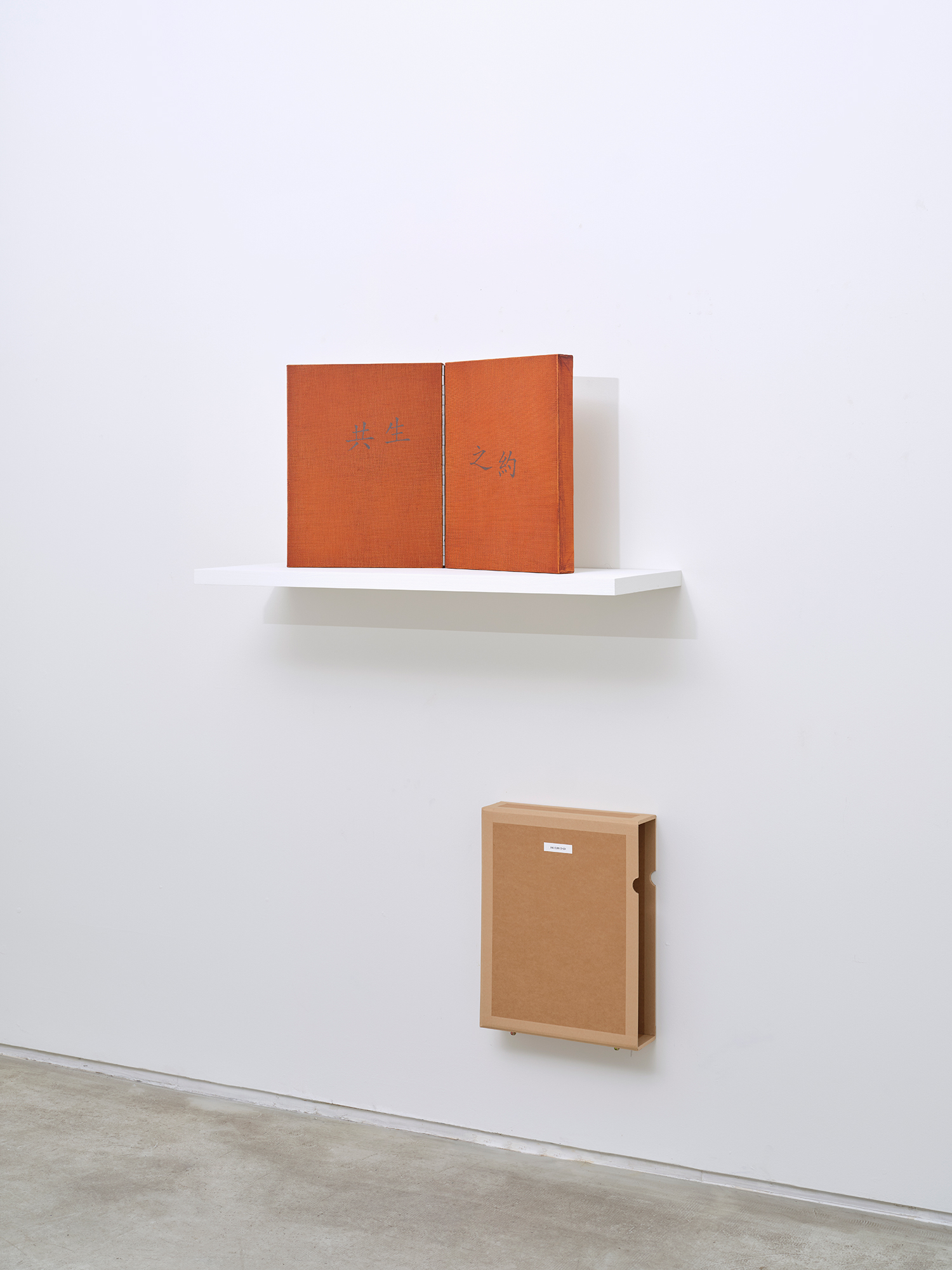
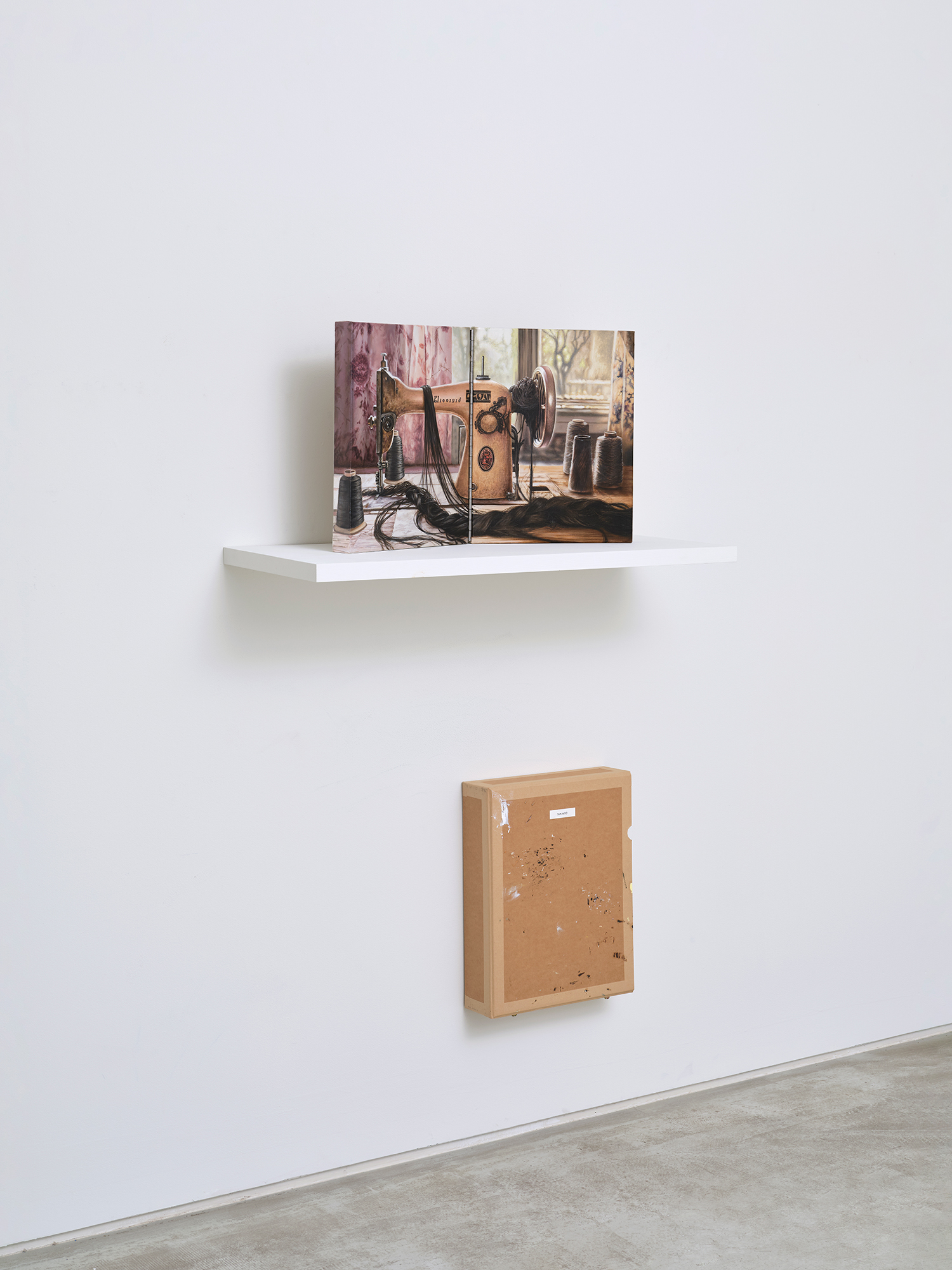
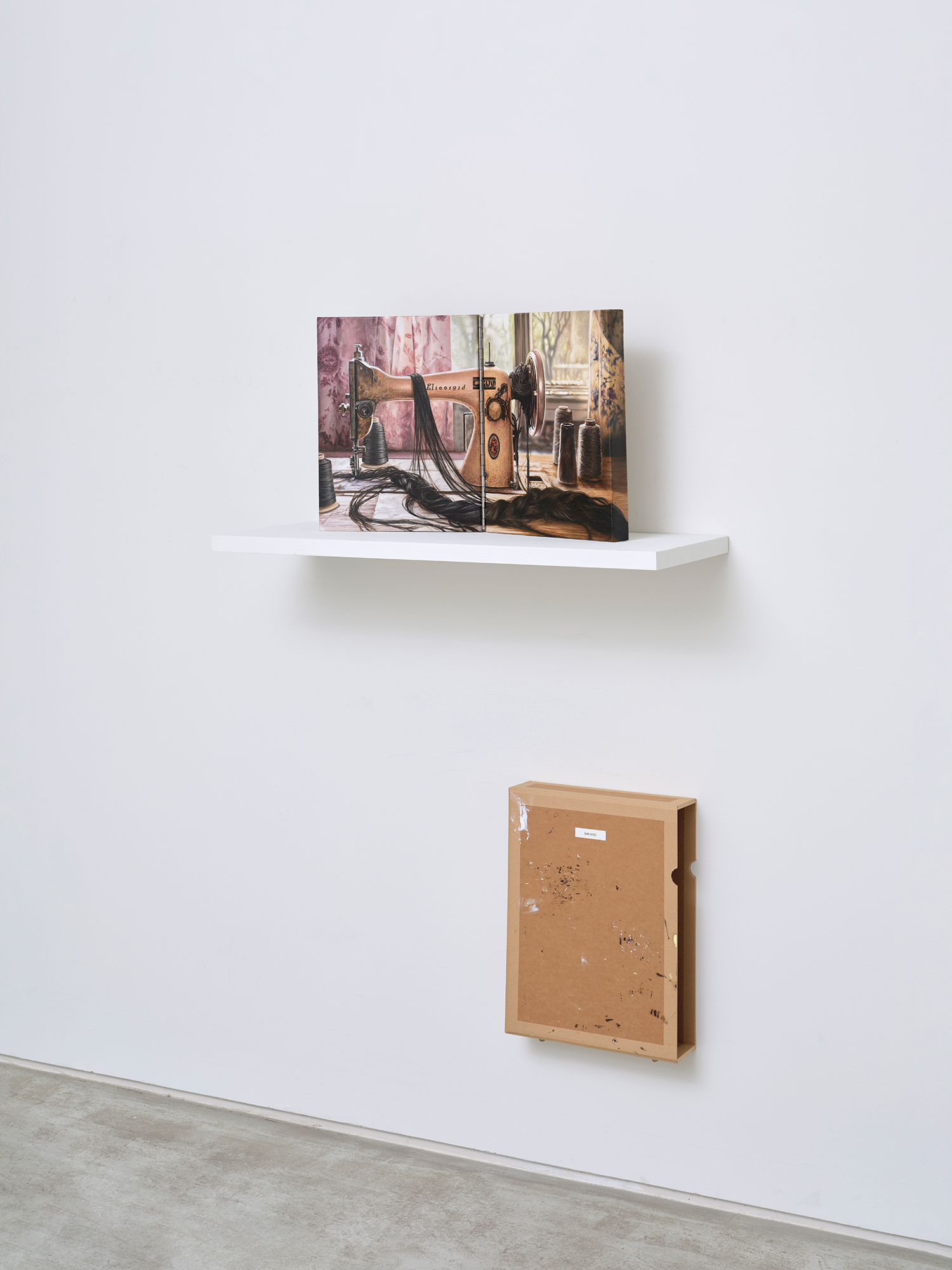
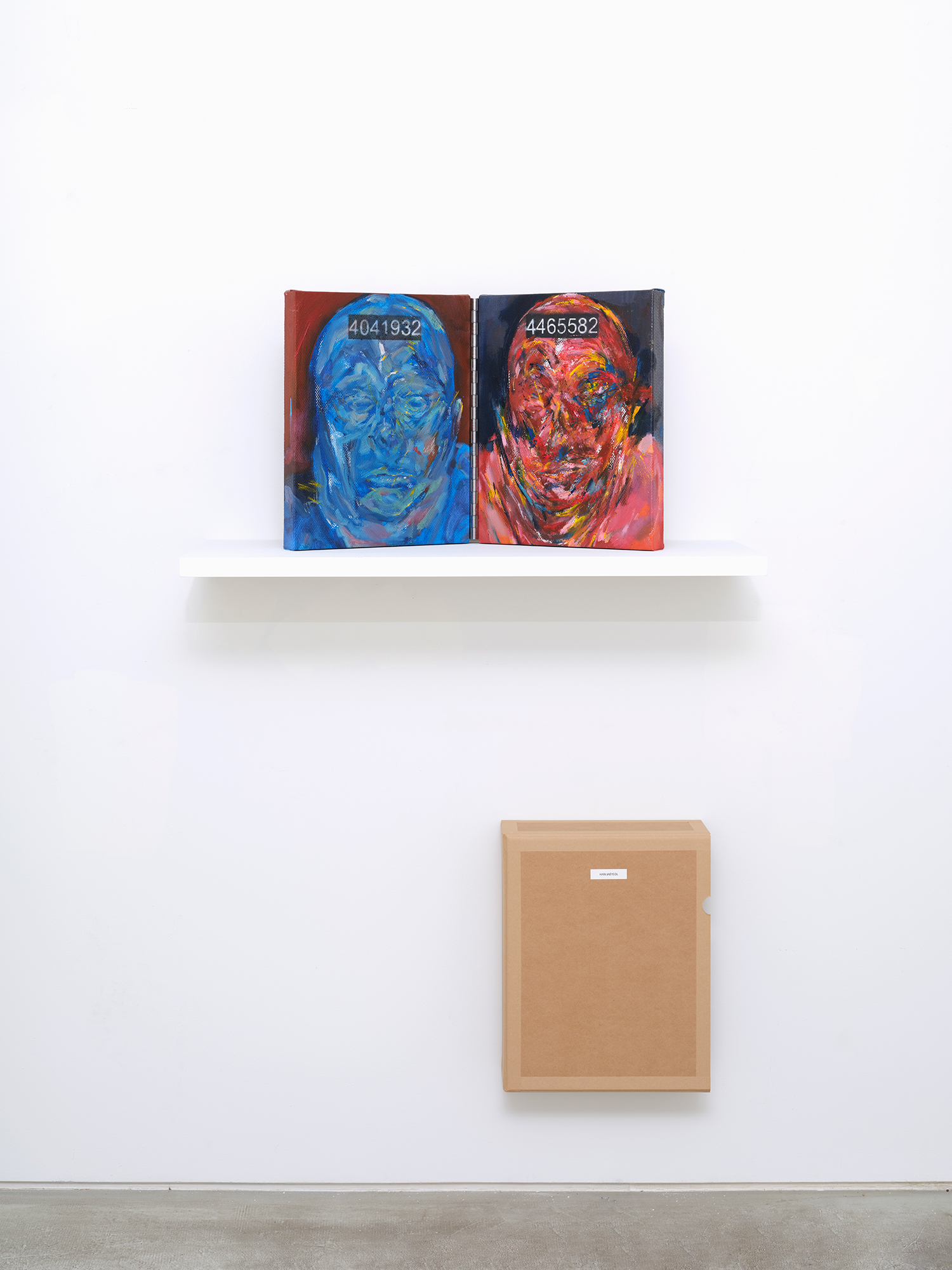
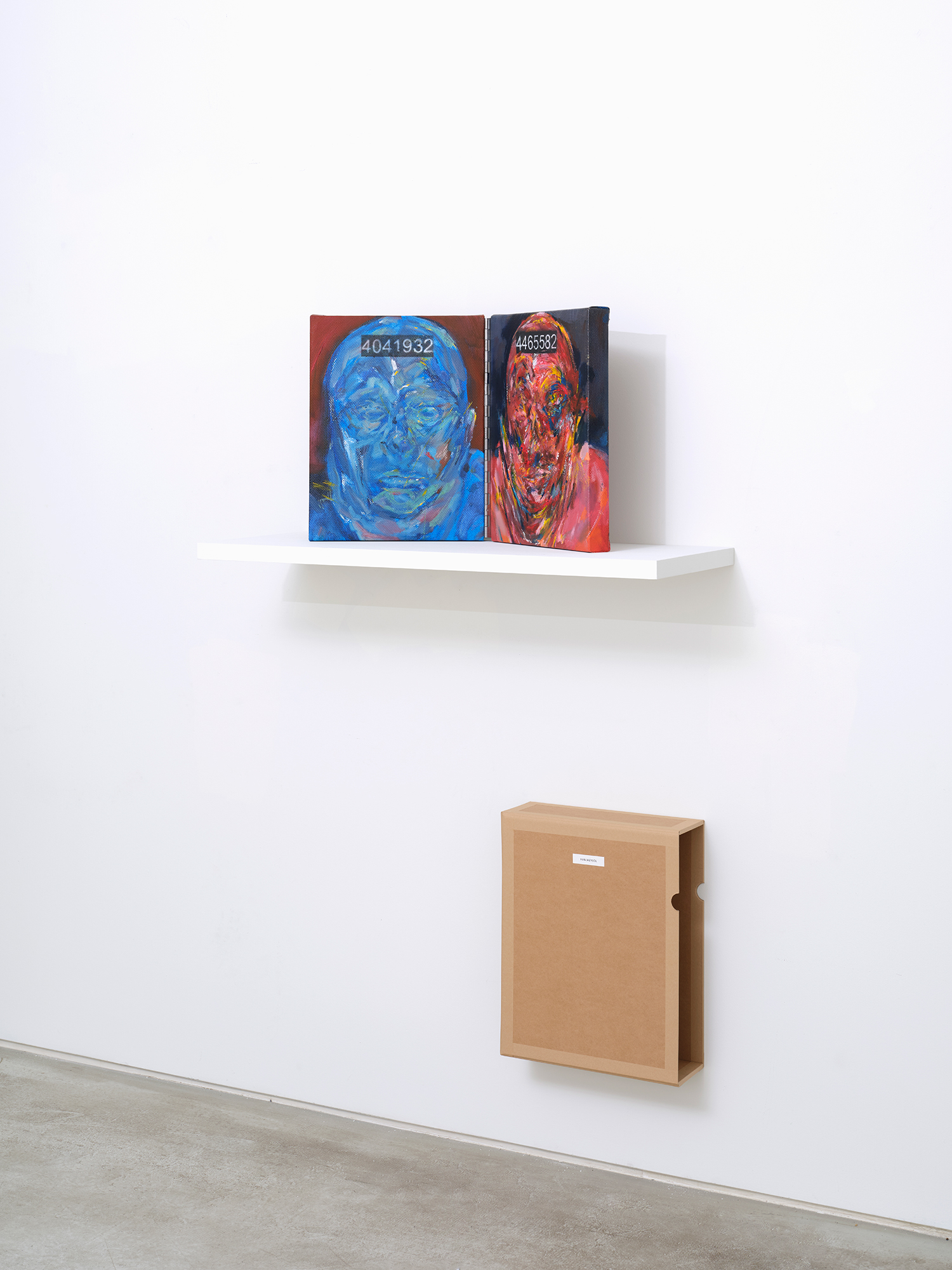
For the exhibition, the curator provided each participating artist with a diptych structure composed of two connected canvases. Opening and closing like a book, the format produces a dual perception of painting and book. More than a formal condition imposed by the exhibition, it functions as a device through which artists are invited to reconsider the relationship between text and image, experiment with the sensory and formal qualities of written language, and negotiate the tensions and layers of interpretation that emerge between them.
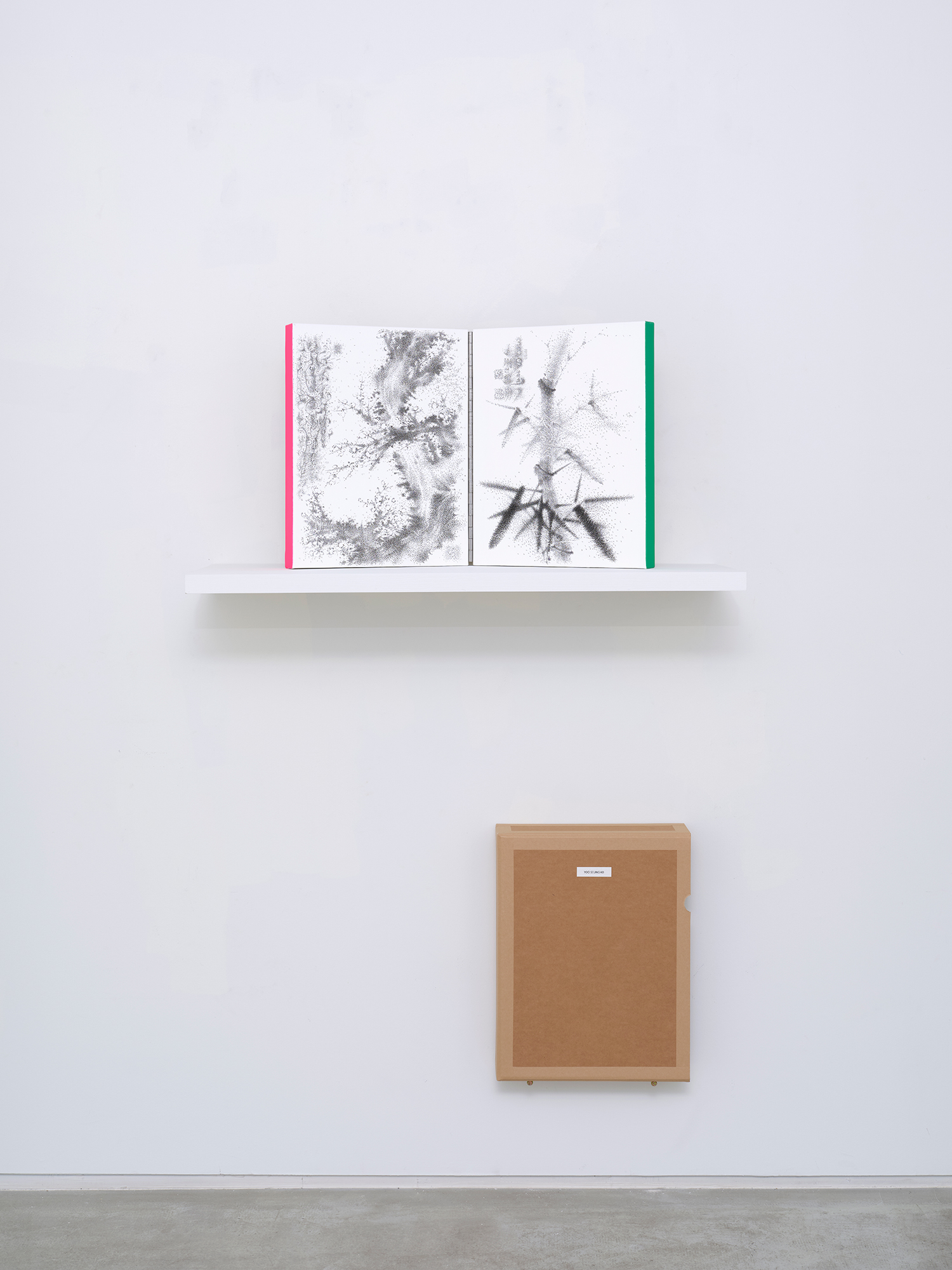
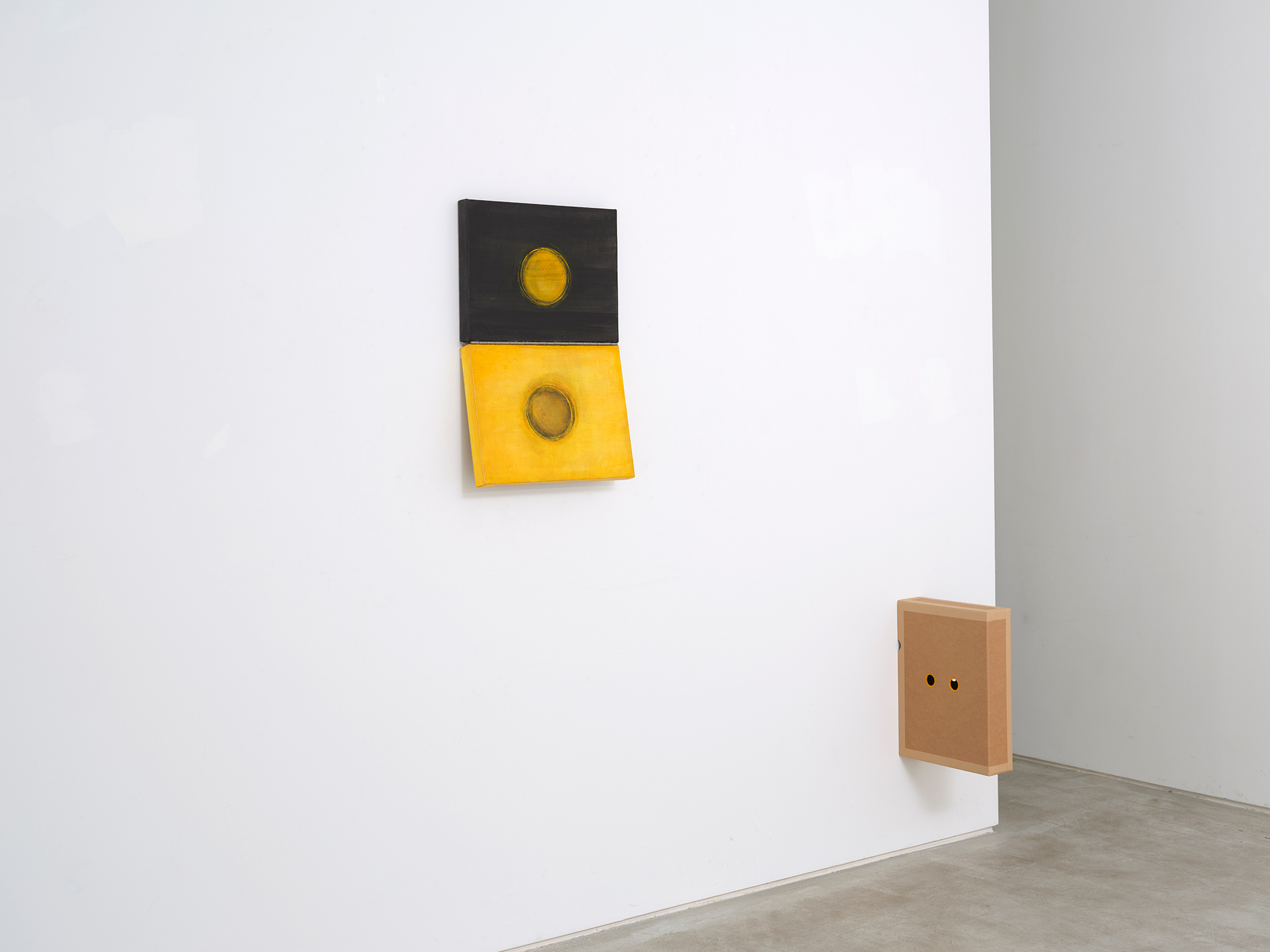
Working within this shared framework, the participating artists approach the relationship between text and image from multiple directions. Some translate the formal rhythm of written characters into pictorial composition, while others visualize the process of reading itself or draw attention to its social contexts. Ara Kim reconfigures the grid-like jeong (井) structure of traditional Korean architecture alongside letterforms from the Hunminjeongeum Haerye, questioning the underlying orders shared by language and structure. Seungho Yoo constructs a nonlinear “hypertext” field in which written characters and pointillist imagery overlap, exploring the dismantling and recombination of text and image. Soonjoo Lee uses two circles and hinges to form the Korean syllable “eung” (응), testing the point at which language shifts into abstract form, while Jaeyoul Han draws on social events behind familiar signs to reveal the inevitably partial nature of any act of reading.
Other works foreground disjunctions between word and image, disrupting familiar habits of interpretation. Jiyoung Keem overlays the word Briefly onto turbulent waves, summoning a forgotten tragedy through language and confronting viewers with the tension produced between image and text. Hong Soku places the sentence “I think this text is a picture” alongside two figures who face and regard it, shifting between the acts of reading and looking while reconsidering the referential function of language. Eunju Noh translates prelinguistic vocalizations—the sounds of an infant’s babbling—into a graphic-score-like pictorial structure, rendering the sensory moment in which language begins to emerge.
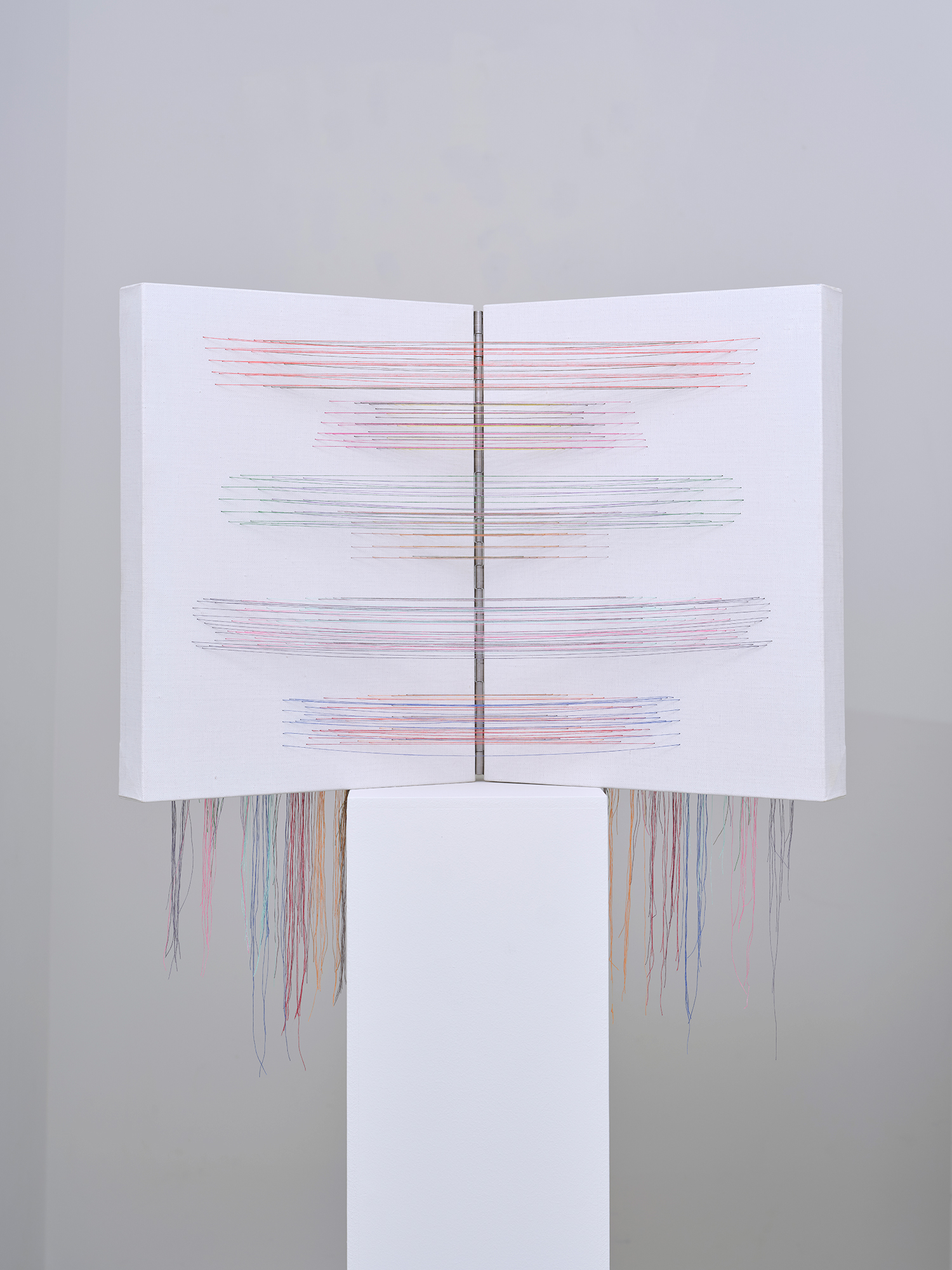
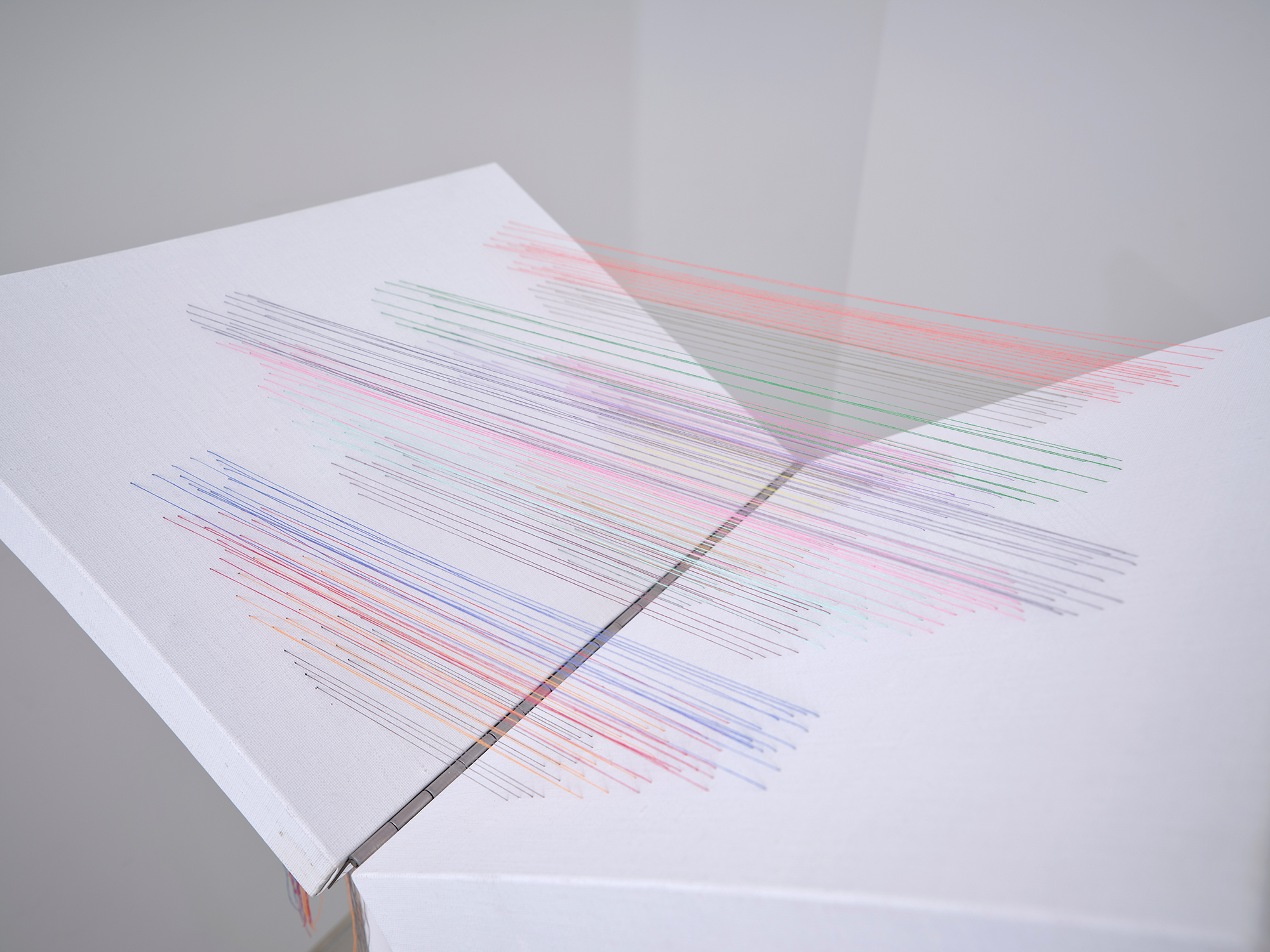
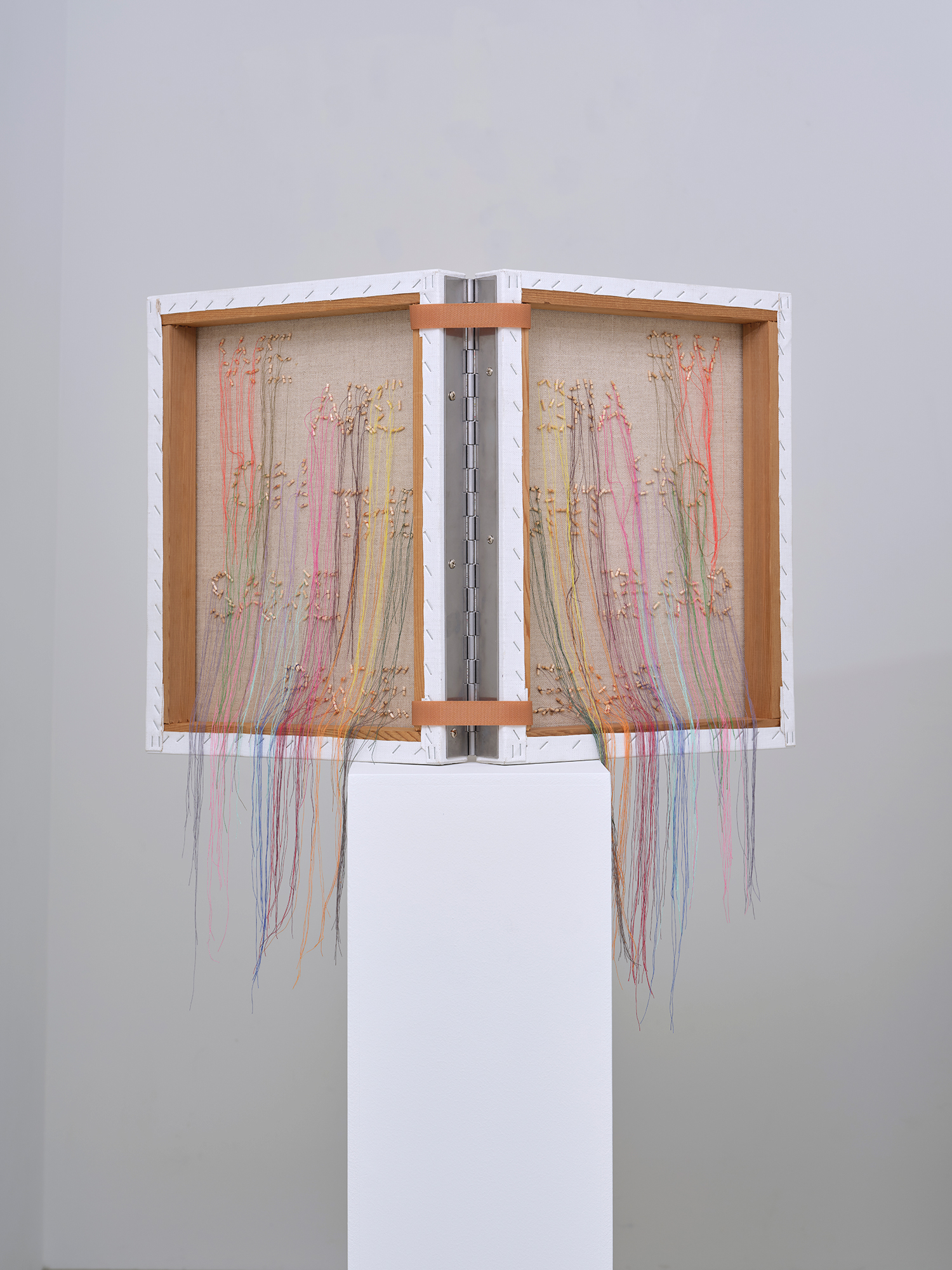
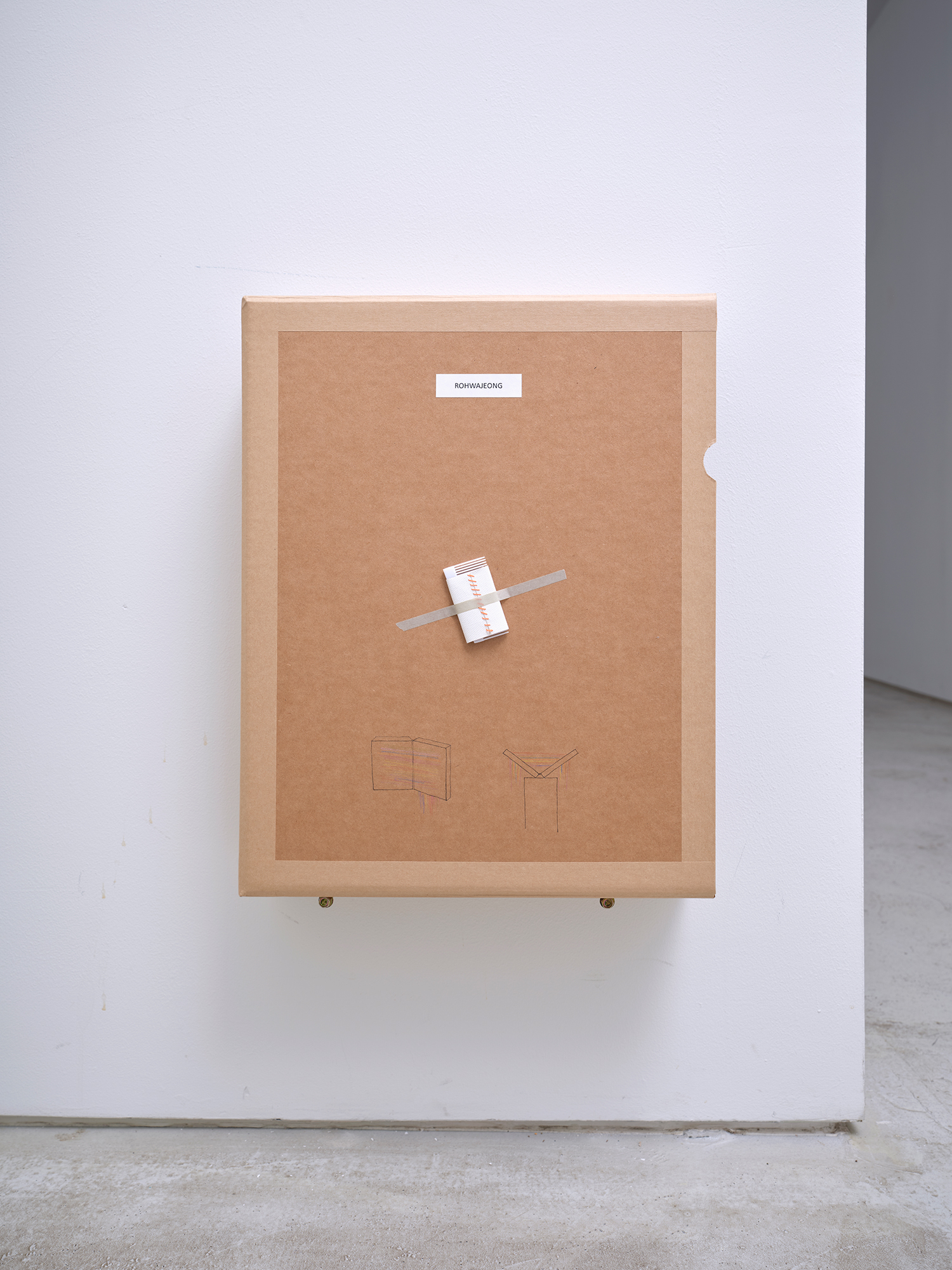
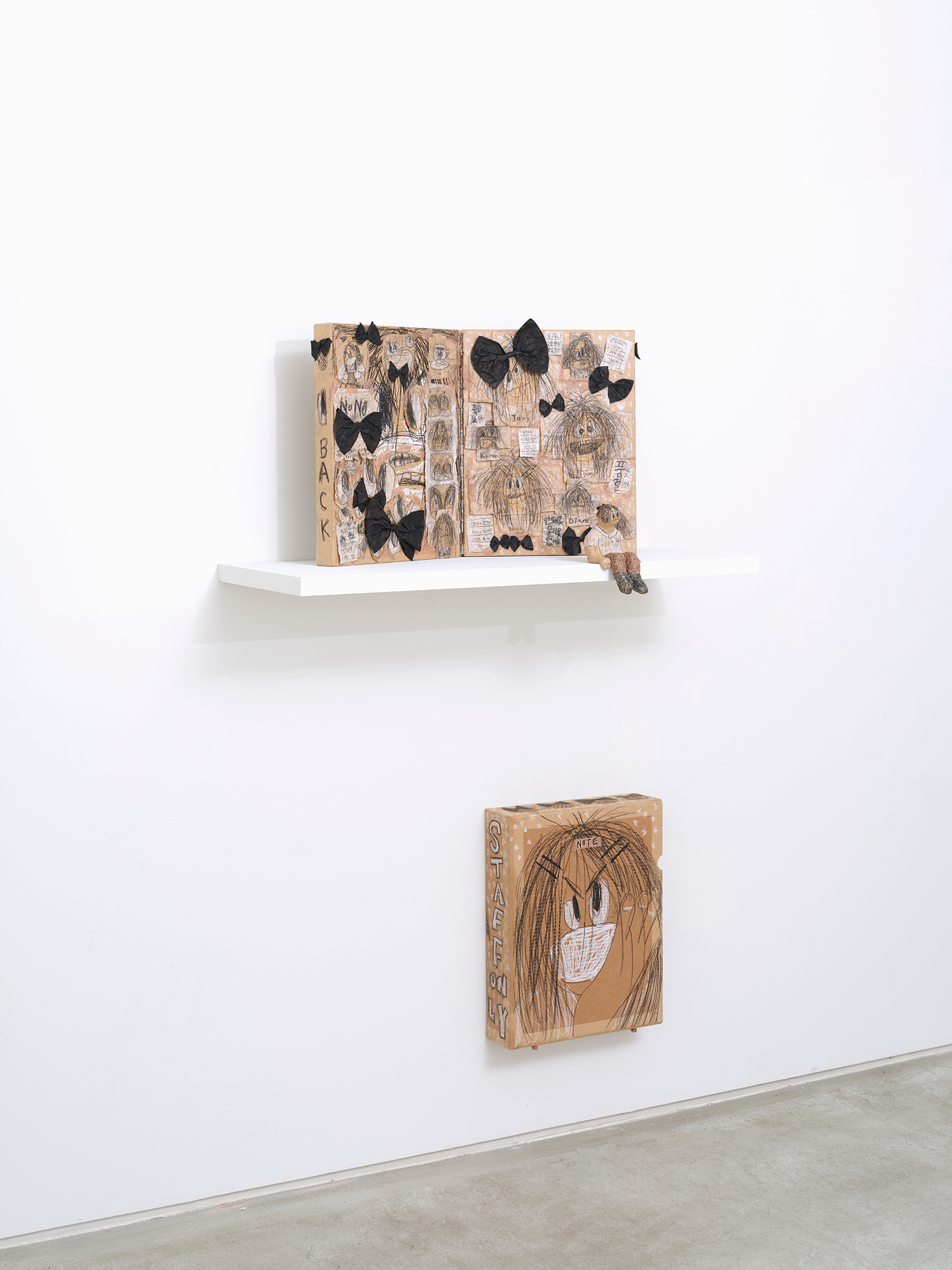
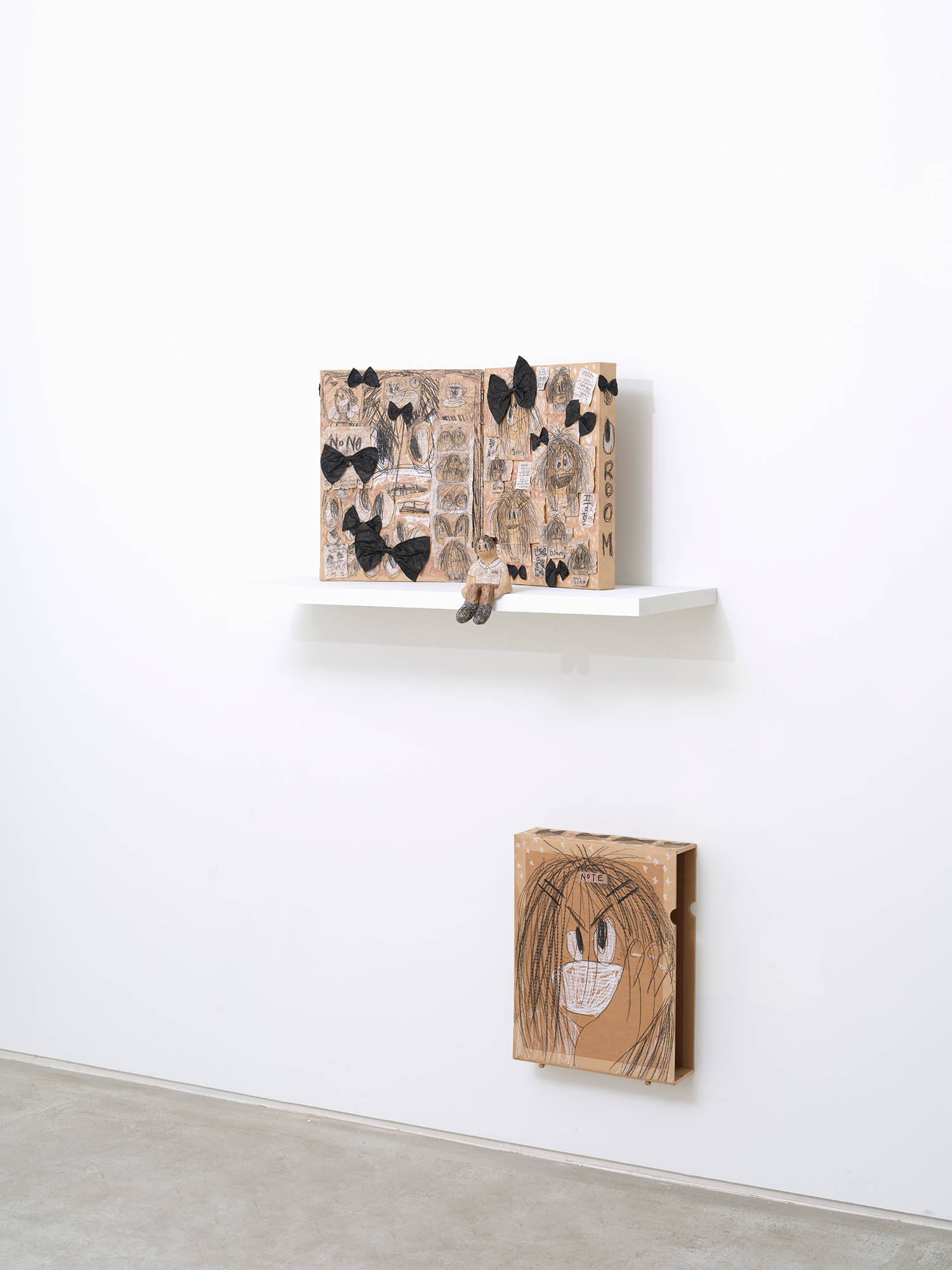
Elsewhere, artist duo Rho Jae Oon and Jeong Hyun Suk reveals on the reverse of their canvases that an abstract structure woven from colored thread originates in the phrase “we are on the same page,” visualizing the varied mechanisms through which relationships are formed and maintained. Min Shin combines images and sentences in a new work resembling both a private scrapbook and an object, tracing the presence of lives erased within systems of capitalist labor. Rather than simply juxtaposing or mixing text and image, the participating artists extend their inquiry to the very act of “reading” itself.
The exhibition ultimately resists reducing text and image to a binary or supplementary relationship. Instead, it attends to the gaps and resonances that continuously emerge between them. Reading and interpretation, record and imagination, sign and form permeate one another, producing experiences that cannot be fixed into a single meaning. What 《Reading》 brings into view is precisely this multiplicity: an open field of reading.
The exhibition returns to a longstanding question—how should an artwork be read?—and poses it anew in the language of the present. Rather than offering an answer, it functions as a site for reformulating the question, examining how text and image interpret, overturn, and reconfigure one another within a structure that borrows the outward form of a book. Through this process, reading expands into both an act of perception and an act of relation, prompting us to look again at what has become familiar.
To read between and beyond text and image is also to reconsider how we relate to the world. 《Reading》 is therefore not simply the title of an exhibition, but an ongoing proposition: a way of learning the world through art, locating oneself within it, and continually interpreting and rewriting the possibilities of what might come next."
"텍스트와 이미지, 사이와 너머 읽기
“I like the idea of a word becoming a picture, almost leaving its body, then coming back and becoming a word again.[1]”
— Ed Ruscha
이 전시는 에드 루샤(Ed Ruscha)가 남긴 한 문장에서 출발한다. “하나의 단어가 그림으로 변하고, 마치 의미의 허물을 잠시 벗어났다 다시 그 단어로 돌아오는” 듯한 순환적 운동에 영감을 받은 기획자의 의도에서 비롯되었다. 언어가 시각적 오브제로 변환되고 의미를 다층화하는 이 과정은 문자와 이미지, 독해와 해석, 그리고 그 사이와 너머를 탐구하는 전시 «UNBOXING PROJECT: Reading (읽기)»의 개념을 압축적으로 드러낸다.
언어, 보다 구체적으로 말하자면, 문자는 미술사적으로 회화에서 중요한 역할을 해왔다. 고대 이집트 벽화에서 기록과 전달을 위해 이미지와 병치한 상형문자, 중세 회화 속 삽입된 성경 구절, 글자를 형상화해 그림처럼 다루었던 동양의 문자도(文字圖), 근대 이후 이미지와 분리된 언어를 사용해 인식의 경계를 확장시킨 르네 마그리트(René Magritte)의 회화, 개념미술의 흐름 속에서 언어 자체를 매체로 다룬 로렌스 위너(Lawrence Weiner)와 제니 홀처(Jenny Holzer), 그리고 앞서 언급한 것처럼 문자를 시각적 오브제로 전환시킨 에드 루샤의 작업에 이르기까지, 문자는 미술의 주변부가 아니라 화면에 자리하거나 매개로 활용되며 핵심적 질문을 던져왔다. 그렇게 문자는 그림을 설명하고, 때로는 그림보다 앞서며, 또 어떤 경우에는 스스로 이미지가 되기도 한다.
이러한 문자와 이미지의 관계를 바탕으로 기획된 여섯 번째 UBP 전시 «읽기»는 예술작품을 ‘읽는다’는 행위와 회화 속 문자를 ‘읽는다’는 행위를 교차시킨다. 문자는 세상을 이해하는 틀을 제공하지만, 예술에서는 단순한 의사소통의 도구를 넘어 다층적 의미를 환기하는 매개로 변모한다. 회화 속 문자와 이미지는 결합하거나 충돌하며 새로운 시각적 문법을 생성한다. 그 과정에서 문자는 본연의 의미를 넘어 감정과 기억, 맥락을 불러내며 관객을 끊임없는 해석의 연속으로 이끈다. 더불어 독해할 수 없는 문자가 추상적 조형으로 작동할 때, 의미는 차단되기보다 다른 차원으로 열리며 관객은 단일한 독해 결과가 아니라 해석이 생성되는 과정 자체를 경험하게 된다. «읽기»는 바로 이러한 유동적 독법의 지평을 탐구하며 이해와 해석, 상상을 넘나드는 예술 감상의 가능성을 확장한다.
이번 전시를 위해 기획자는 참여 작가들에게 두 개의 캔버스가 연결된 이면화(diptych) 형식의 구조를 제공하였다. 이 형식은 마치 한 권의 책처럼 펼쳐지고 닫히며 회화와 책이라는 이중적 인식을 불러일으키는 구조로서 단순한 전시 주제 제시를 넘어, 작가들이 문자와 이미지의 상관 관계를 재고하고, 문자의 감각적·조형적 특성을 실험하며, 그 사이의 긴장과 해석의 층위를 어떻게 구축할지 고민하도록 유도하는 장치이다.
참여 작가들은 이를 바탕으로 문자와 이미지의 관계를 다각도로 탐구한다. 어떤 이들은 문자의 조형적 리듬을 회화적 구성으로 전환하고, 또 다른 일부는 독해의 과정을 시각적으로 드러내거나 읽기의 사회적 맥락을 끌어들인다. 김아라는 전통 건축의 정(井)자 구조와 훈민정음의 문자 형상을 회화적 도형으로 재구성하며 언어와 구조의 근원적 질서를 되묻고, 유승호는 문자와 점묘적 이미지가 겹쳐지는 화면 속에서 비선형적으로 읽히는 ‘하이퍼텍스트’ 구조를 제시해 글과 그림의 해체와 재조합을 탐구한다. 이순주는 두 개의 원과 경첩이 만들어내는 ‘응’의 형상을 통해 언어가 추상적 조형으로 전환되는 과정을 실험하고, 한재열은 기호의 이면에 있는 사회적 사건을 소환하며 ‘읽기’는 언제나 불완전한 인식에 머문다는 사실을 드러낸다. 또 다른 작품들은 문자와 이미지의 불일치를 강조하며 익숙한 해석의 습관에 균열을 낸다. 김지영은 거친 파도 위에 겹쳐진 ‘잠시’라는 단어를 통해 망각된 비극을 언어로 호출하며 이미지와 텍스트가 빚어내는 긴장을 직시하게 하고, 김홍석은 ‘나는 이 글이 그림이라고 생각합니다’라는 문장과 이를 응시하는 두 인물을 화면에 배치해 ‘읽기’와 ‘보기’의 전환을 실험하며 언어의 지시적 기능을 재고하게 한다. 노은주는 아기의 옹알이 같은 ‘말 이전의 말’을 그래픽 악보처럼 옮겨 언어가 태동하는 감각적 순간을 회화로 번역한다.
한편, 로와정은 색실을 엮어 만든 추상적 구조가 ‘we are on the same page’라는 문장에서 비롯됨을 캔버스 뒷면에서 드러내며 관계의 다양한 작동 원리를 시각화하고, 신민은 이미지와 문장을 엮은 신작을 통해 마치 작가의 사적 스크랩북이자 오브제처럼 구성된 장면을 보이며 자본주의 사회 시스템 속 지워진 존재들의 자취를 드러낸다. 이처럼 참여 작가들은 문자와 이미지를 단순히 병치하거나 혼합하는 데 그치지 않고, ‘읽기’라는 행위 자체를 확장된 차원에서 질문한다.
결국 이번 전시는 문자와 이미지를 단순히 대립이나 보조의 관계로 환원하지 않고, 그 사이에서 끊임없이 파생되는 의미의 틈과 울림에 주목한다. 독해와 해석, 기록과 상상, 기호와 형상은 서로를 침투하며 단일한 의미로 고정될 수 없는 다채로운 경험을 만든다. «읽기»가 드러내고자 하는 것은 바로 그 다층성, ‘읽기’의 열린 장이다.
이번 전시는 ‘미술작품은 어떻게 읽어야 하는가?’라는 오래된 질문을 오늘의 언어로 다시 불러낸다. 해답을 제시하기보다 질문을 새롭게 던지는 장으로 기능하며, 책의 외연을 차용한 구조 속에서 문자와 이미지가 서로를 해석하고 전복하며 재구성되는 과정을 탐구한다. 이러한 과정은 ‘읽기’를 지각의 행위이자 관계 맺기의 행위로 확장시키며, 익숙한 것을 낯설게 바라보게 한다. 그 사이와 너머를 읽어내는 행위를 통해 우리는 세계와 맺는 관계를 다시 사유하게 된다. «읽기»는 단순한 전시 제목이 아니라, 예술로 세계를 배우고 자신을 발견하며 나아가 새로운 세계의 가능성을 해석하고 다시 써 내려가는, 멈추지 않는 문장이다."